Your Cart
You are €150 away from free standard shipping.
Your cart is empty
You are €150 away from free standard shipping.
We cover all U.S. tariffs, so you won’t pay extra customs fees.
Linen comes in many different textures, weights, and finishes, but how can you tell whether the fabric is actually good quality? A higher price, a softer feel, or a heavier fabric doesn’t always mean better linen. In fact, some of the characteristics people associate with poor quality are simply part of linen’s natural character.
Understanding what makes linen good quality requires looking beyond its appearance. The fibres, weaving process, fabric weight, and finishing techniques all influence how linen feels, wears, and changes over time.
At Linenfox, we work with different types of linen every day, from lightweight fabrics to heavier varieties. In this guide, we’ll share what we’ve learned and explain what really matters when evaluating linen fabric quality.
The quality of linen begins long before the fabric reaches a weaving mill. Flax fibre quality, spinning methods, weaving techniques, and finishing processes all influence the final result. Each stage plays a role in how the fabric looks, feels, and performs over time.
The flax itself provides the foundation. Longer, stronger fibres generally allow manufacturers to produce smoother, more consistent yarns. Shorter fibres can create a more textured appearance, although this doesn’t necessarily make the finished fabric unsuitable or poor quality. The way manufacturers process and spin the fibres also matters.
Weaving adds another important element. The consistency of the yarn, the structure of the weave, and the tension during production all affect the fabric’s appearance and durability. A well-made linen fabric should have a stable construction, but its surface doesn’t need to look perfectly uniform. Small variations and natural irregularities are part of linen’s character.
Finishing techniques also influence linen’s texture and softness, but the intended use of the fabric plays an equally important role. Linen for clothing, upholstery, or home textiles may require different levels of softness, structure, and durability. A firmer fabric isn’t necessarily lower in quality than a softer one. Each serves a different purpose, and good quality means having the right characteristics for its intended use.
The origin of flax also deserves attention. European flax has a long history of cultivation and processing, although geographical origin alone cannot guarantee quality. You can learn more about its background in our guide to European linen.
One of the most important factors in linen quality is the yarn itself. Long, fine flax fibres allow manufacturers to spin thinner, stronger, and more consistent yarns. Mills can then use these yarns to create tightly woven yet lightweight fabrics. Producing fine linen yarn requires careful fibre selection and precise processing, which often increases the final fabric’s price.
However, finer yarns and denser weaves don’t automatically mean better quality. Different fabrics require different constructions. A lightweight linen shirt, for example, needs different characteristics than a structured jacket or an upholstery fabric. The quality depends on how well the yarn and weave suit the fabric’s intended purpose.
The weave itself also deserves attention. Look at how evenly the threads sit together and whether the fabric has a balanced, stable structure. Natural linen often contains small variations in yarn thickness, tiny knots, and subtle irregularities. These characteristics come from the flax fibres and don’t necessarily indicate poor quality. However, unusually loose threads, damaged yarns, or inconsistent areas may point to manufacturing defects.
Another important factor is how the fabric behaves over time. Good linen should maintain its structural integrity through regular use and appropriate washing. Manufacturers evaluate characteristics such as shrinkage, colourfastness, and durability to understand how the fabric will perform. These qualities aren’t always visible when you first examine a piece of linen.
Ultimately, evaluating linen quality means looking beyond softness, thickness, or appearance. A well-made linen fabric combines suitable fibres, carefully produced yarns, and a weave that serves its purpose. The most expensive or finest linen isn’t necessarily the best choice for every garment.
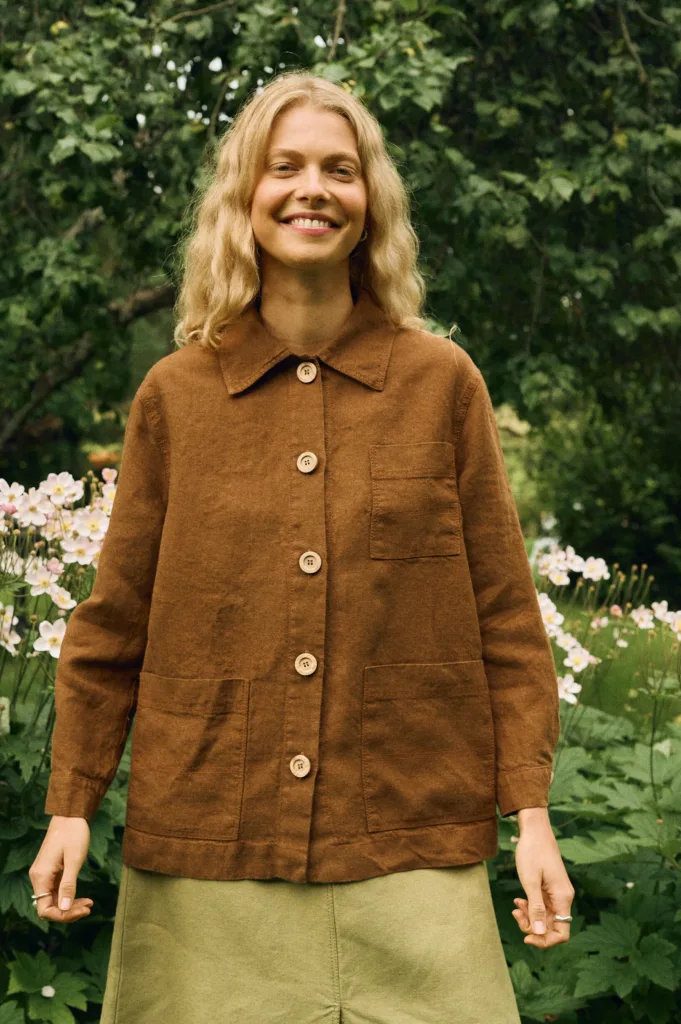
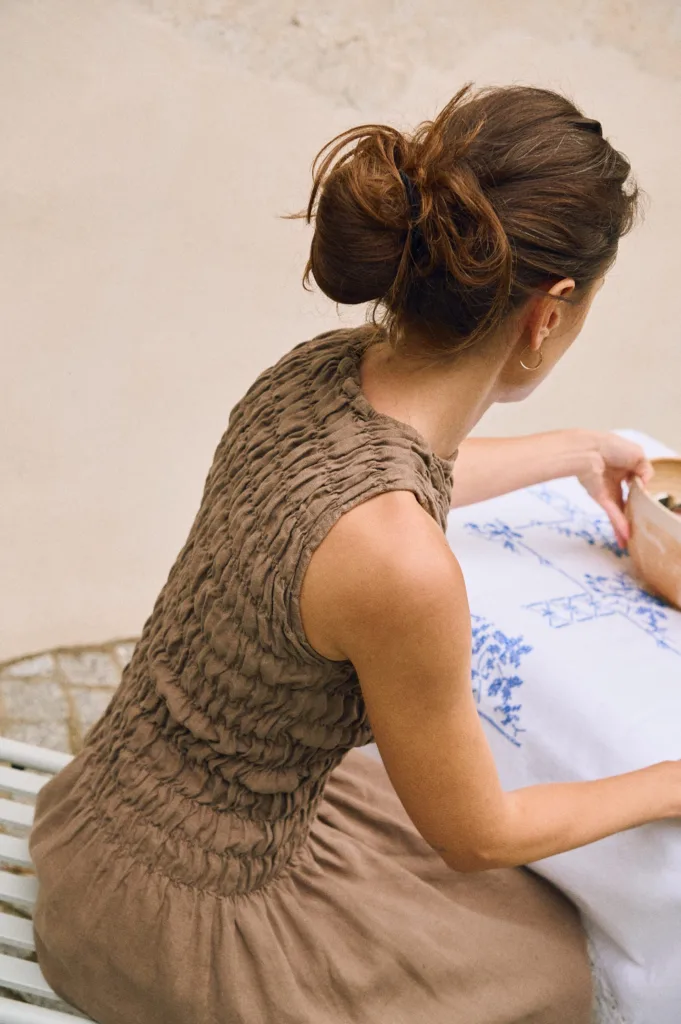

Linen has a distinctive texture and appearance, but some of its natural characteristics can lead to misunderstandings about quality. A few common assumptions are worth reconsidering before choosing linen fabric or clothing.
Many people associate softness with higher quality, but linen doesn’t need to feel soft from the beginning. Some fabrics undergo additional washing or softening treatments, while others retain a firmer texture to provide more structure. Linen also tends to soften with washing and use. A crisp fabric can offer just as much quality as a softer one, depending on its intended purpose.
Fabric weight tells us how much a square metre of fabric weighs, not how good the fabric is. Lightweight linen can require fine yarns and careful weaving, while heavier linen often provides the structure and durability that certain garments need. Neither automatically offers better quality. If you’d like to explore these differences further, our guide to different types of linen fabric explains how fabric weight and construction influence its characteristics.
Unlike many synthetic fabrics, linen often has small variations in texture and yarn thickness. These irregularities come from the natural structure of flax fibres and give linen its characteristic appearance. A perfectly smooth surface isn’t a requirement for good quality. What matters more is the consistency of the weave and the absence of defects that could weaken the fabric.
Higher prices can reflect finer yarns, more complex weaving, careful finishing, or higher production costs. However, price alone doesn’t guarantee better quality. An expensive, finely woven linen fabric might work beautifully for a lightweight blouse but offer too little structure for a jacket. The best linen isn’t necessarily the most expensive option, but the one that combines good manufacturing with the right characteristics for its purpose.
Good quality linen isn’t always easy to judge at first glance. A beautiful texture or a soft finish may catch your attention, but neither tells the whole story. The real quality lies in the combination of carefully selected fibres, skilled manufacturing, and a fabric that performs well over time.
After years of working with linen, we’ve learned that no single characteristic defines its quality. Some fabrics need a delicate, lightweight construction, while others require strength and structure. What matters is choosing the right fabric for the right purpose and understanding how it will behave through years of use.
Ultimately, good linen should offer more than an attractive appearance. It should serve its purpose, retain its character, and continue to feel right long after the first wear.

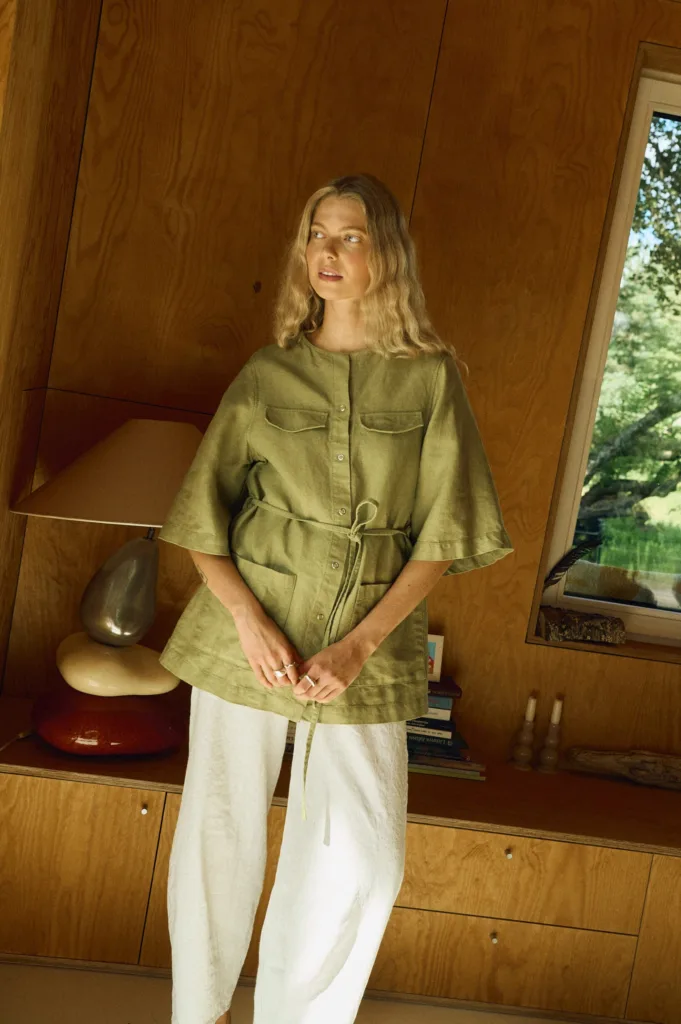
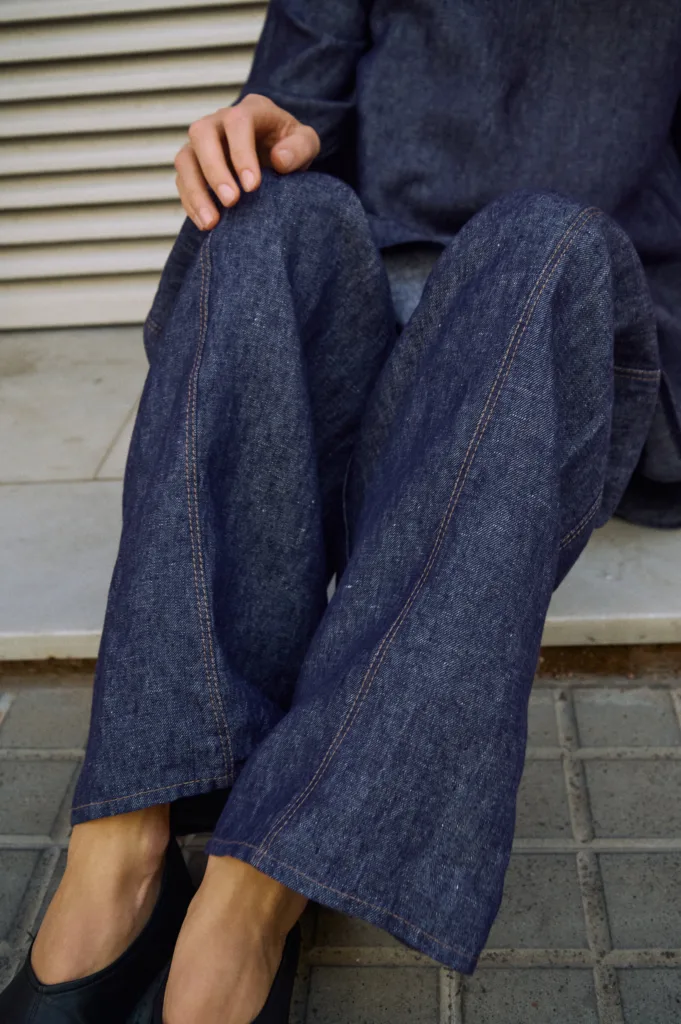
Look at the fabric’s weave, yarn consistency, and overall construction. High-quality linen should have a stable structure without damaged threads or obvious weaving defects. Natural variations in texture are normal and don’t necessarily indicate poor quality. The fabric should also suit its intended use.
Not necessarily. The label confirms the fabric’s fibre composition, but it doesn’t tell you how manufacturers processed, spun, or wove the fibres. Two fabrics made from 100% linen can differ significantly in quality, durability, and price.
Yes. Wrinkling is a natural characteristic of linen, including high-quality varieties. Flax fibres have relatively low elasticity, which makes the fabric more prone to creasing. The weave, fabric weight, and finishing techniques can influence how noticeable those wrinkles become.
Not always. Fine yarns, complex weaving, and careful processing can increase production costs, but a higher price doesn’t guarantee better quality. The most important consideration is whether the fabric offers the right combination of strength, texture, and construction for its purpose.


