Your Cart
You are €150 away from free standard shipping.
Your cart is empty
You are €150 away from free standard shipping.
We cover all U.S. tariffs, so you won’t pay extra customs fees.
European linen is often mentioned as a mark of quality, but not everyone knows what it actually means. In simple terms, it refers to linen fabric made from flax grown in specific regions of Europe, where climate and soil conditions are especially suitable for producing strong and consistent fibers.
While all linen comes from the same plant, its origin can influence how the fabric looks, feels, and performs over time. Understanding these differences helps when choosing garments that not only look good, but also wear well and last longer.
European linen refers to linen fabric made from flax grown in Western Europe. The term is used to indicate the origin of the raw material, rather than the place where the final fabric or garment is produced.
In most cases, European linen comes from regions such as France, Belgium, and the Netherlands, where conditions support the growth of high-quality flax fibers.
European linen is closely connected to a long tradition of flax cultivation across the region. While today France, Belgium, and the Netherlands are known as the main producers, flax has historically been grown in other parts of Europe as well, including Lithuania.
In Lithuania, flax growing was once a significant part of everyday life. It was a labor-intensive process, carried out largely by hand. Flax was pulled rather than cut, then soaked and processed step by step before becoming usable fiber. Many people still remember large flax fields and the work involved in harvesting them.
Over time, this began to change. Flax cultivation required specific knowledge, manual labor, and specialized equipment, which made it difficult to maintain on a larger scale. After Lithuania joined the European Union, agricultural subsidies shifted toward grain crops, and many farmers moved away from flax farming. As a result, flax is no longer widely grown in Lithuania today, even though linen processing knowledge and infrastructure have remained.
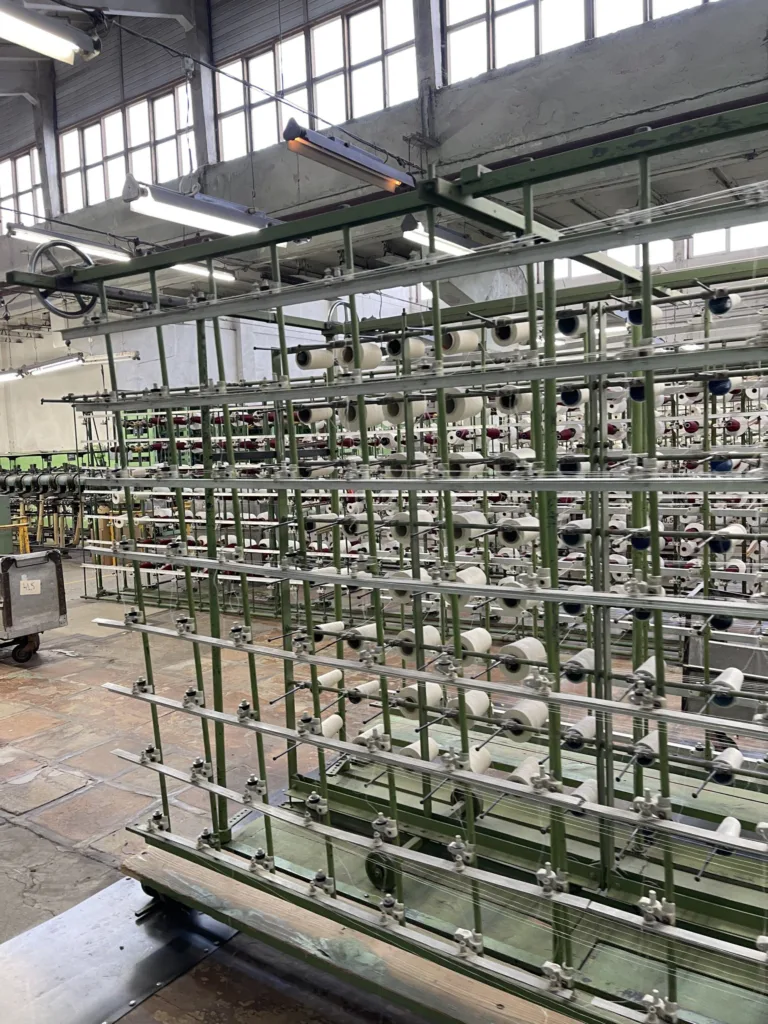
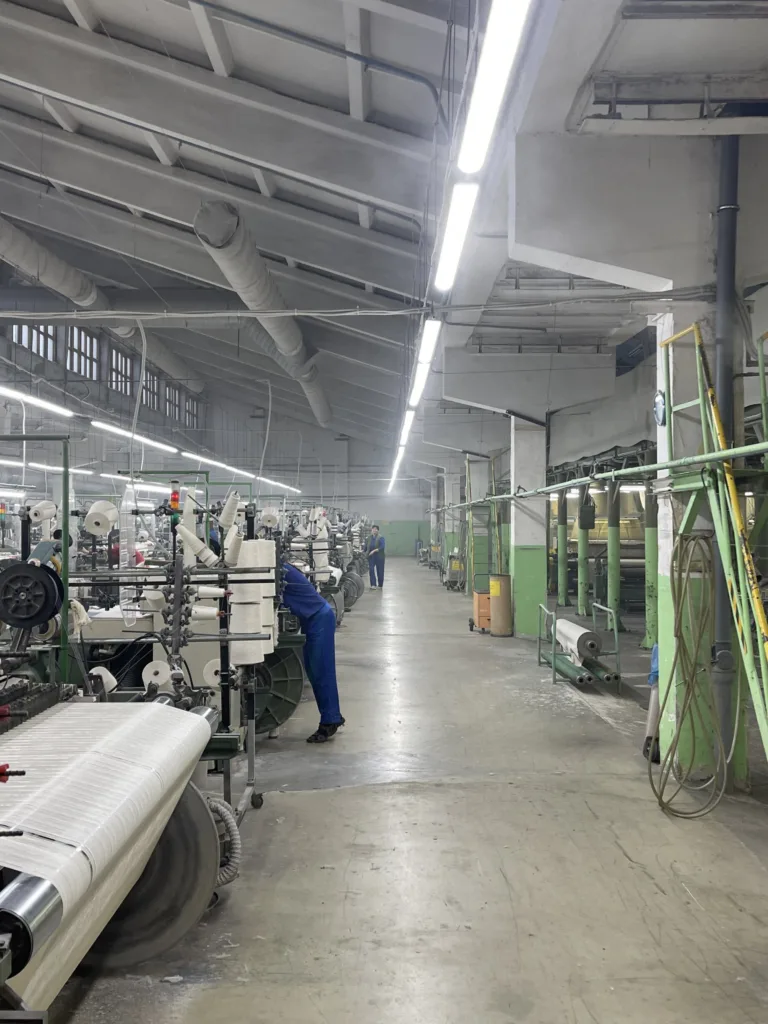
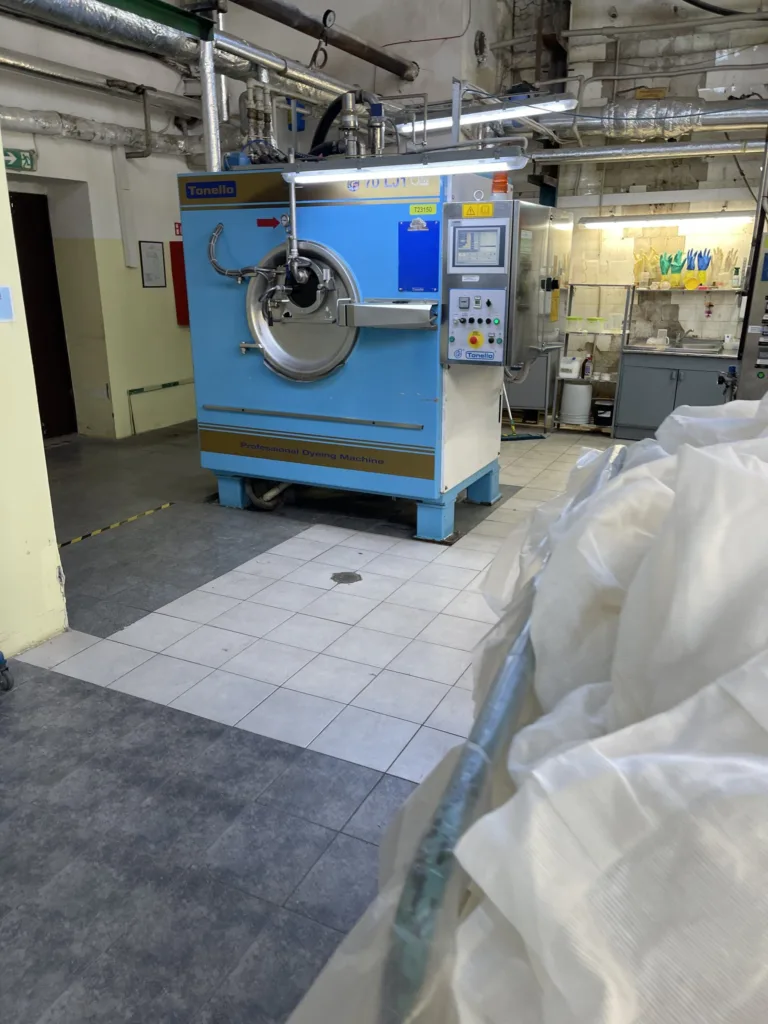
European linen stands out because of the quality and consistency of the flax fibers. The growing conditions in Western Europe support the development of longer and stronger fibers, which directly influence how the fabric performs.
Longer fibers create a smoother and more even yarn. This results in a fabric that feels more balanced, with a cleaner surface and a more refined texture. At the same time, the strength of the fibers helps linen maintain its structure over time, even with frequent wear and washing.
Another important difference is consistency. When flax is grown in stable conditions, the resulting fabric behaves more predictably. This affects how the material drapes, how it responds to washing, and how it holds its shape in finished garments.
While linen can vary in weight and texture depending on how it is woven, the origin of the fibers plays a key role in how the fabric performs overall. You can learn more about different linen fabric types in our guide to types of linen fabric.
In finished garments, the quality of European linen becomes more noticeable. The fabric tends to fall more naturally, creating a clean and balanced silhouette without feeling stiff or overly structured.
Depending on the weight and weave, linen can feel light and fluid or slightly more structured, but it generally maintains a natural movement. Garments made from higher-quality linen often feel more comfortable against the skin and become softer over time without losing their shape.
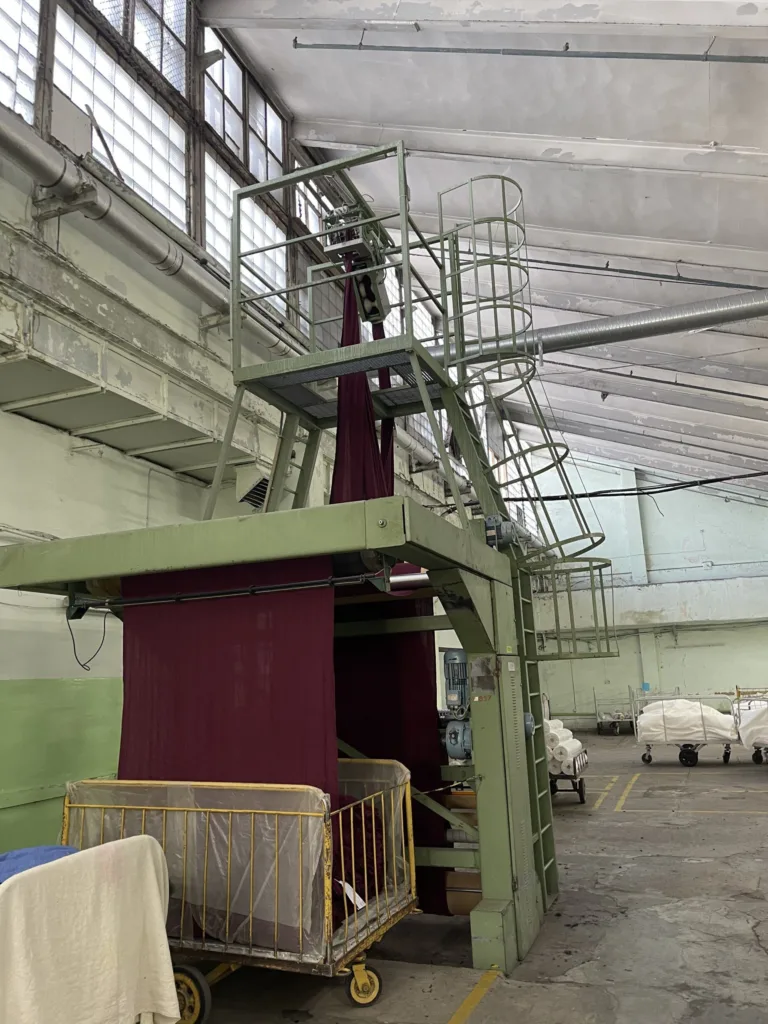
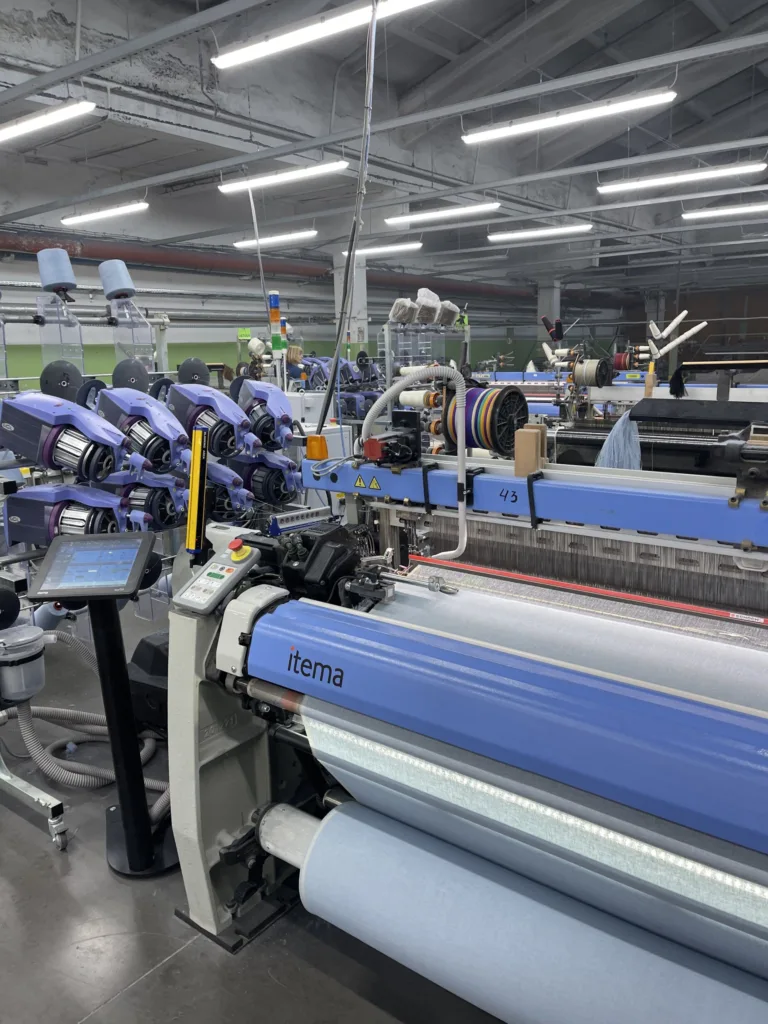
All of our fabrics are woven in Lithuania, where long-standing linen expertise continues to develop. The mill we work with continuously invests in modern equipment, which helps refine the fabric and improve its overall quality. As a result, the linen feels softer while remaining strong and durable.
Another important aspect is how the fabric behaves after washing. European linen tends to settle well, meaning it softens while maintaining its original structure. This helps garments keep their intended fit and appearance, rather than changing unpredictably after care.
These qualities are not always immediately visible, but they become clear with wear. Over time, the fabric adapts to the body and develops a softer, more relaxed feel while remaining durable.
The origin of linen fabric can have a noticeable impact on how a garment looks, feels, and performs over time. While linen is made from the same plant, the conditions in which flax is grown influence the strength, consistency, and overall quality of the fibers.
Fabrics made from higher-quality flax tend to behave more predictably. They soften with washing without losing structure, maintain their shape better, and feel more comfortable with regular wear. This helps garments last longer and reduces the chances of unexpected changes after care.
Lower-quality linen, on the other hand, may feel uneven, lose its shape more quickly, or wear out faster over time. These differences are not always immediately visible, but they become more noticeable with use.
Understanding where the fabric comes from makes it easier to choose garments that not only look good at first, but continue to perform well with everyday wear.
We choose European linen for its consistency and reliability in finished garments. Working with stable and well-processed fabric allows us to better control how each piece looks and feels once it is made.
Because our garments are made to order, we can select the most suitable fabric for each design and apply adjustments more precisely during the production process. This helps us maintain the intended shape, fit, and overall balance of each garment.
We work with linen fabrics that are woven locally in Lithuania, where long-standing experience and modern production methods come together. This allows us to achieve a fabric that feels soft while remaining strong enough for everyday wear.
Keeping a short production chain is especially important to us. Our fabrics do not travel thousands of kilometers — they come from a mill located just around 100 km from our studio. This allows us to stay closely connected to the production process and maintain consistency in every batch of fabric we use.
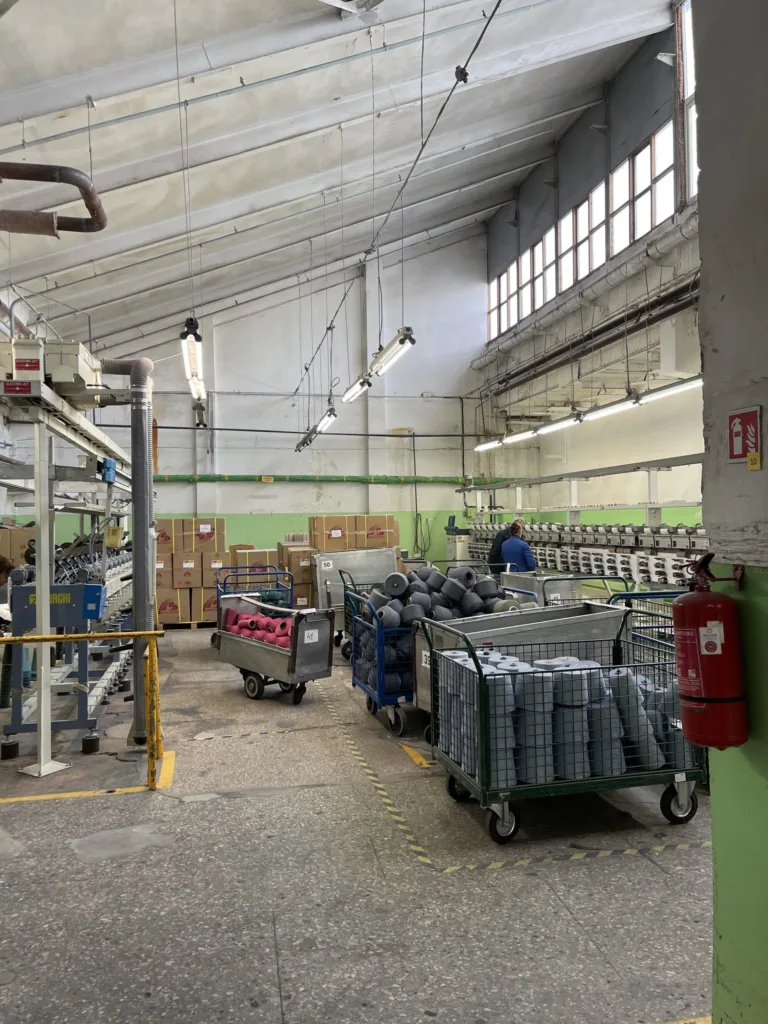
European linen is often considered higher quality because of the conditions in which the flax is grown. Stable climate and suitable soil help produce longer and more consistent fibers, which influence how the fabric feels and performs. However, the final quality also depends on how the fabric is processed and woven.
The highest quality flax is typically grown in Western Europe, particularly in regions of France, Belgium, and the Netherlands. These areas provide the most suitable climate for producing strong and consistent fibers.
Linen made from higher-quality fibers tends to be more durable and maintains its structure better over time. With proper care, garments made from European linen can last for many years while continuing to soften with wear.
European linen may feel slightly crisp at first, but it softens with washing and regular wear. Fabrics made from well-processed fibers tend to become smoother over time while maintaining their strength.
European linen is valued not only for where it comes from, but for how it performs over time. From the way the fibers grow to how the fabric softens with wear, each step plays a role in the final garment.
Understanding these details helps in choosing pieces that feel natural to wear and remain reliable with everyday use.
You can explore garments made from European linen in our linen clothing for women.


