Your Cart
You are €150 away from free standard shipping.
Your cart is empty
You are €150 away from free standard shipping.
We cover all U.S. tariffs, so you won’t pay extra customs fees.
Linen is often associated with summer, but there is no reason to put every linen garment away when temperatures start to drop. In fact, some linen pieces are particularly well suited to the changing weather of early autumn.
However, wearing linen in fall requires a slightly different approach. Fabric weight, garment construction, and the ability to layer become much more important than they are during summer.
So, can you wear linen in fall? Absolutely. But not every linen garment will work equally well, and understanding the differences can help you get much more out of your wardrobe.
Not all linen fabrics behave the same way, and fabric weight becomes particularly important when temperatures begin to drop. While lightweight linen works well during summer, medium and heavyweight linen offer more possibilities for autumn clothing.
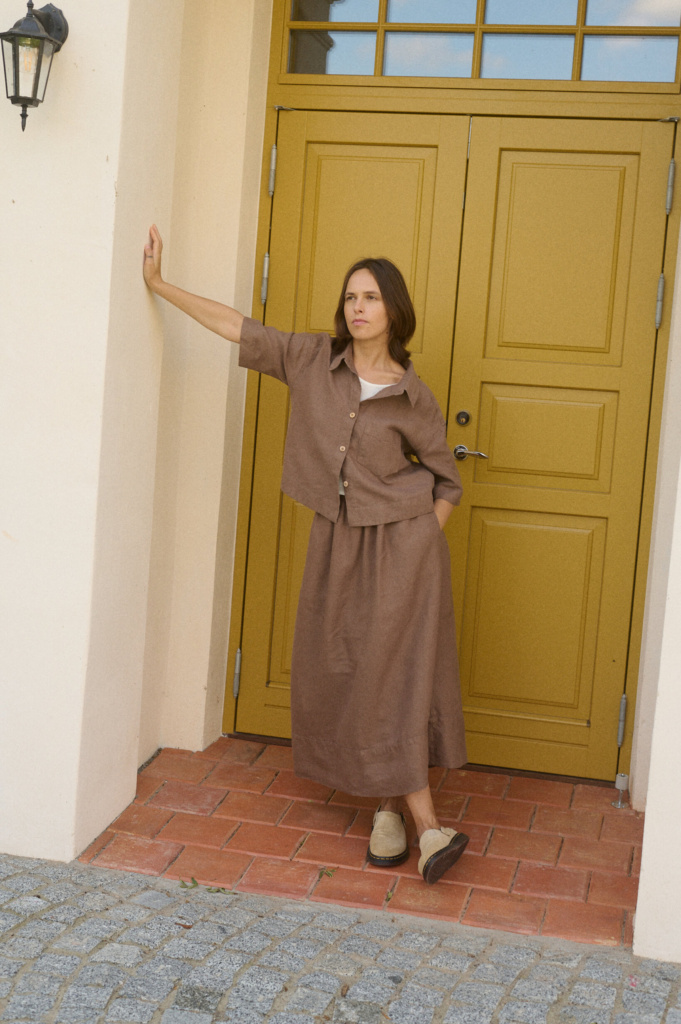
Medium-weight linen, typically around 200 g/m², is a good starting point for early fall. It provides enough structure for dresses, pants, and shirts without feeling excessively heavy. These garments can also work well with additional layers as the weather gets cooler.
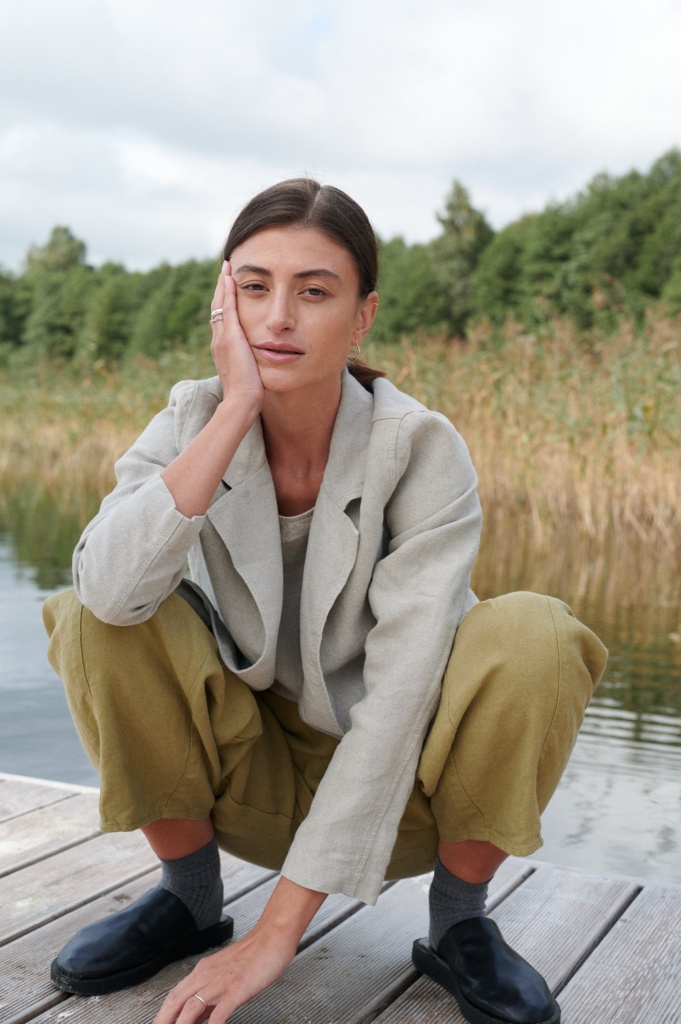
Heavyweight linen, on the other hand, has a denser construction and a more substantial feel. At Linenfox, we use heavier linen for structured pants, jackets, and other garments designed for cooler weather. Its weight helps create more defined silhouettes and makes it particularly suitable for layering. However, heavier linen should not be confused with an insulating fabric. Its ability to retain warmth remains limited compared to wool.
Fabric weight is not the only factor to consider. The weave, garment construction, and overall fit also influence how suitable a piece will be for autumn. A generously cut linen dress, for example, may offer more room for layering than a closely fitted garment made from heavier fabric.
Understanding these differences makes it easier to choose linen clothing that works beyond summer. For a closer look at fabric construction and the characteristics of different linen weights, explore our guide to different types of linen fabric.
While heavier linen offers more structure, combining linen with wool introduces an entirely different set of properties. This is particularly interesting for autumn clothing, when warmth becomes just as important as the appearance and construction of a garment.
At Linenfox, our linen-wool blend contains 85% linen and 15% recycled wool. Although wool makes up a relatively small percentage, it noticeably changes the fabric. It feels warmer to the touch, has a softer texture, and wrinkles less than our traditional 100% linen.
One of the most interesting aspects of this blend is that it retains much of linen’s distinctive character while introducing some of the insulating properties of wool. The result is a fabric that feels quite different from pure linen without becoming a traditional wool fabric.
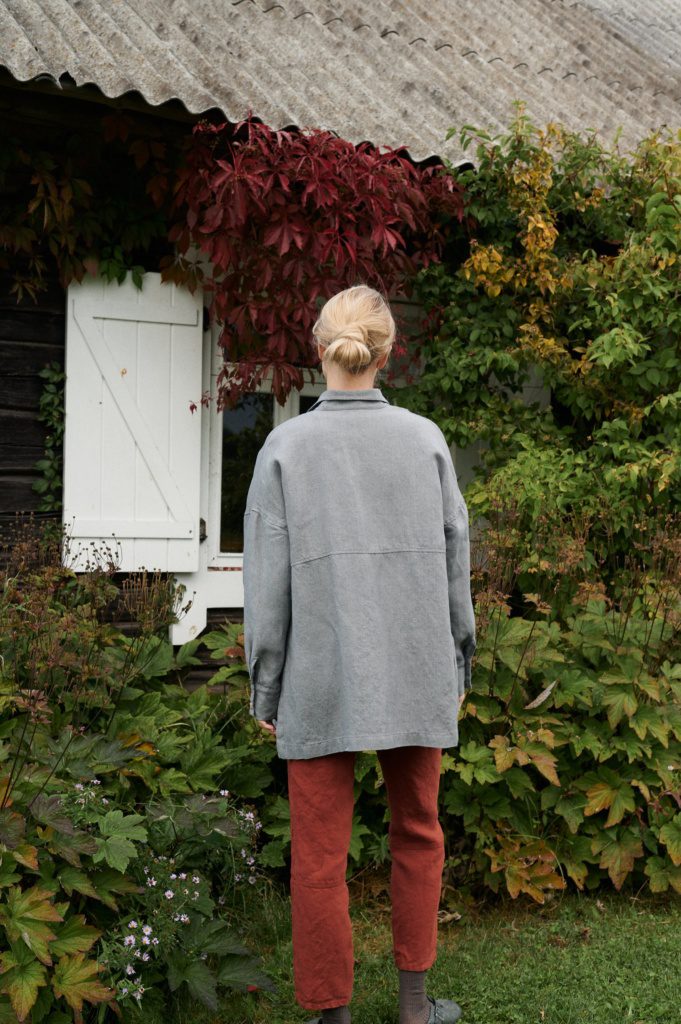
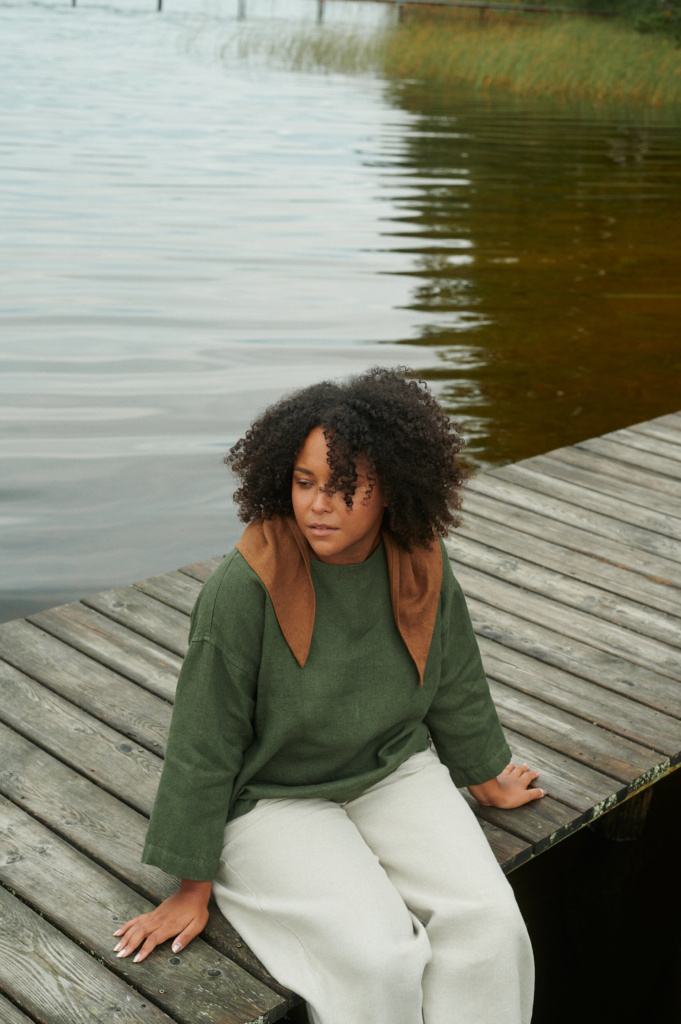
Layering linen clothing is not simply about adding a sweater or jacket. The construction of the garment itself plays an important role, particularly when you want to wear pieces originally associated with warmer weather.
At Linenfox, we consider this during the design process. Garments intended for cooler seasons often feature wider sleeves and more generous armholes, leaving enough room for a shirt, turtleneck, or lightweight knit underneath. These small construction details make a significant difference when adding layers without restricting movement.
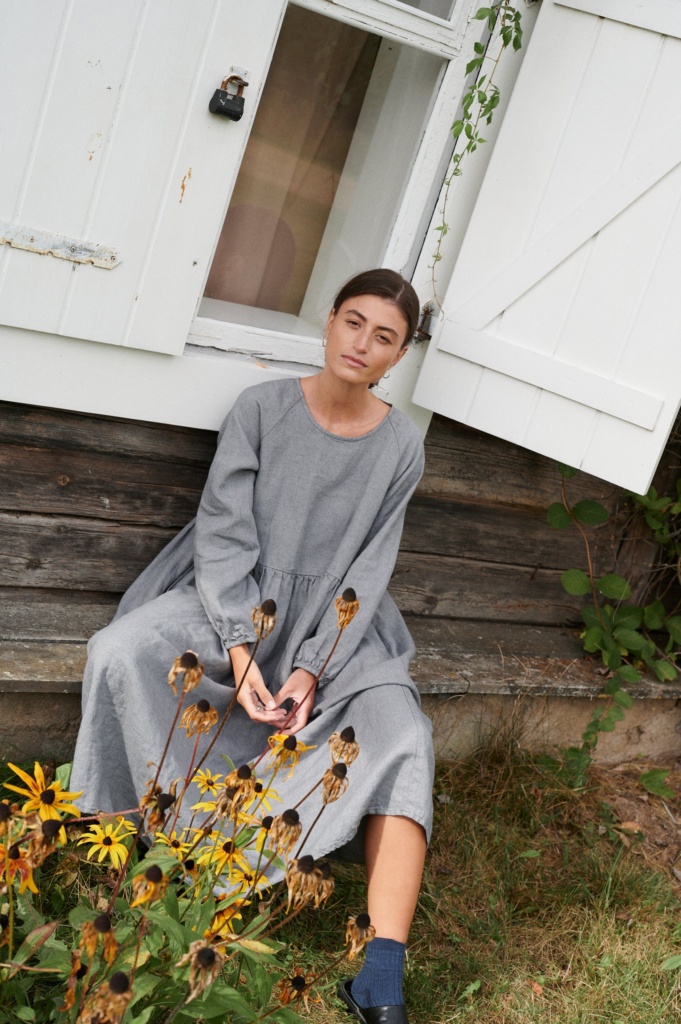
Linen dresses offer several possibilities. Sleeveless designs can work over fitted tops, while looser dresses with wider sleeves allow for additional layers underneath. Linen pants can be paired with knitwear and jackets, while heavier linen jackets provide an outer layer during milder autumn weather.
However, not every summer garment is suitable for layering. Narrow sleeves, fitted silhouettes, and lightweight fabrics can limit your options. Before choosing a piece for autumn, consider not only its fabric but also whether its construction allows you to wear something comfortably underneath.
The aim is not to turn summer clothing into winter clothing, but to extend the use of suitable linen garments into the cooler months.
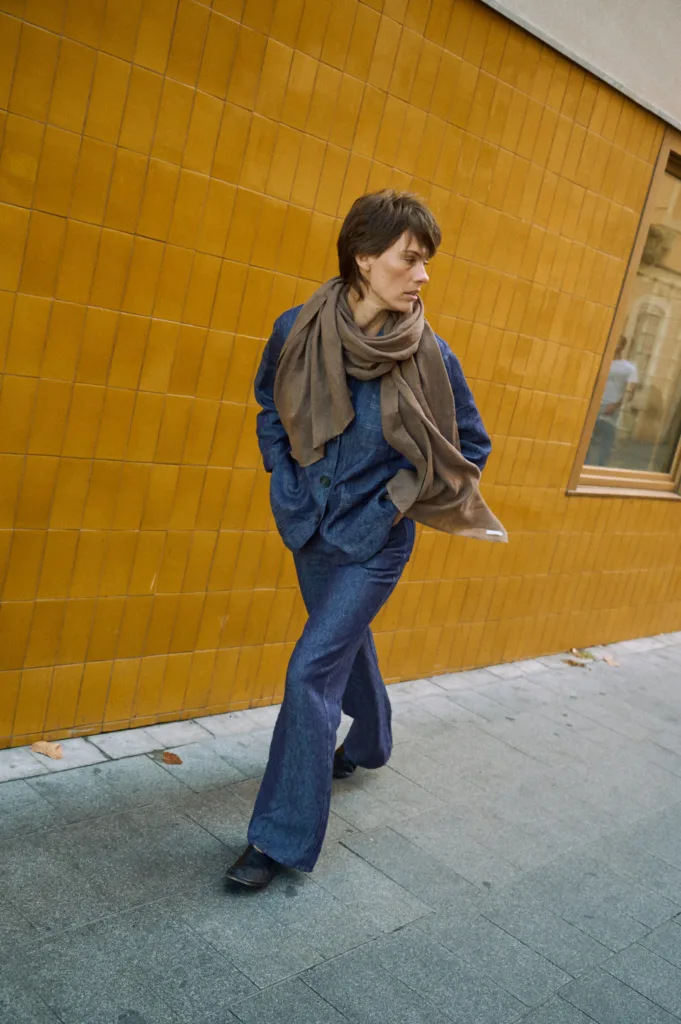
Our latest autumn collection introduces another option for cooler days: denim linen. Made from 100% linen with a weight of 270 g/m², this fabric has the appearance of traditional denim while retaining the natural characteristics of linen. We particularly like it for autumn pants, shirts, and jackets, where its weight and structure create more defined silhouettes. You can learn more about this fabric and our latest designs in our guide to denim linen.
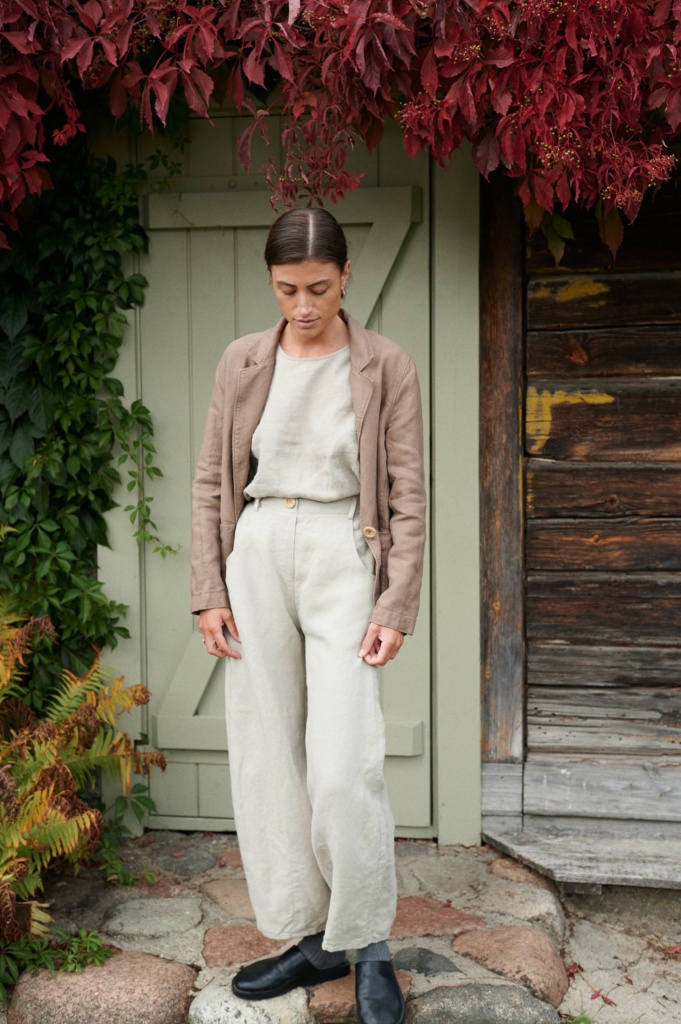
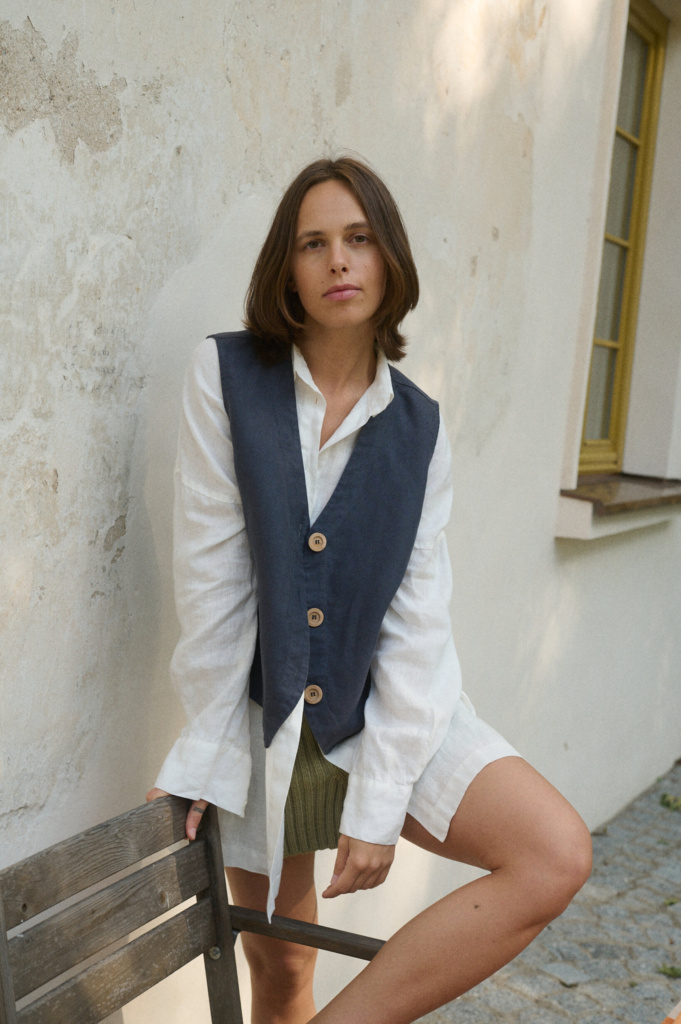
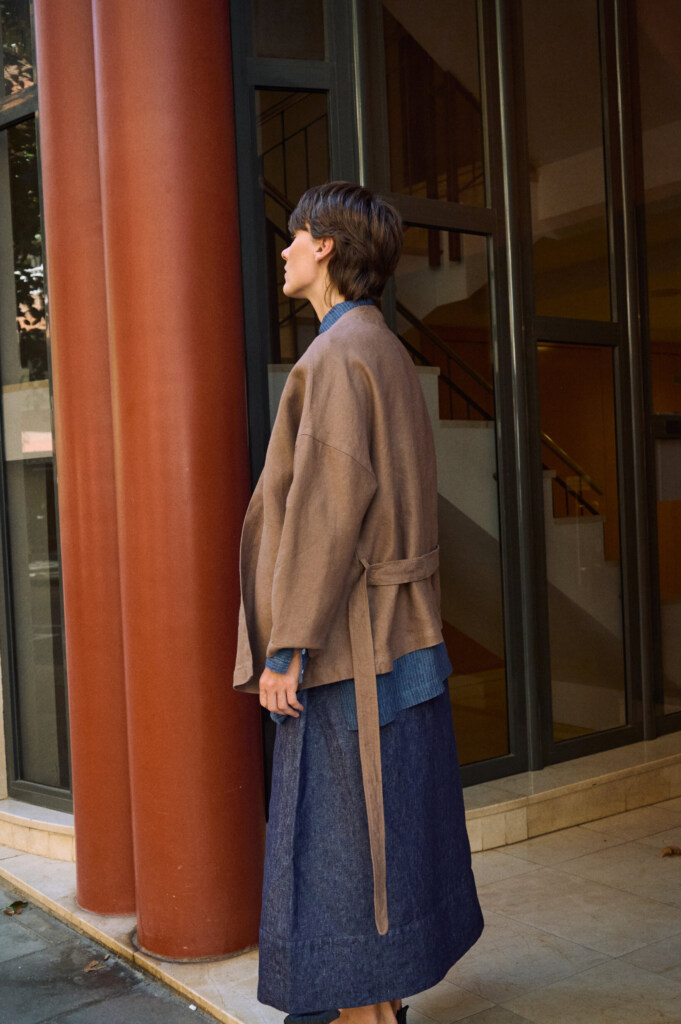
Linen can be a great choice for early autumn, but as temperatures continue to drop, its limitations become more noticeable. Even heavyweight linen provides relatively little insulation compared to wool and other fabrics designed for cold weather.
Wind and rain are also worth considering. Linen absorbs moisture, so it is not the most practical choice for wet autumn days, particularly as an outer layer. A linen jacket may work well on a mild afternoon, but it cannot replace a weather-resistant coat.
Linen and wool are best friends, and we recommend making the most of this combination. Pair linen dresses with wool sweaters, wear wool knitwear over linen shirts, or add a wool coat over heavier linen garments. Combining these two natural fibres allows you to continue wearing your favourite linen pieces well into the colder months.
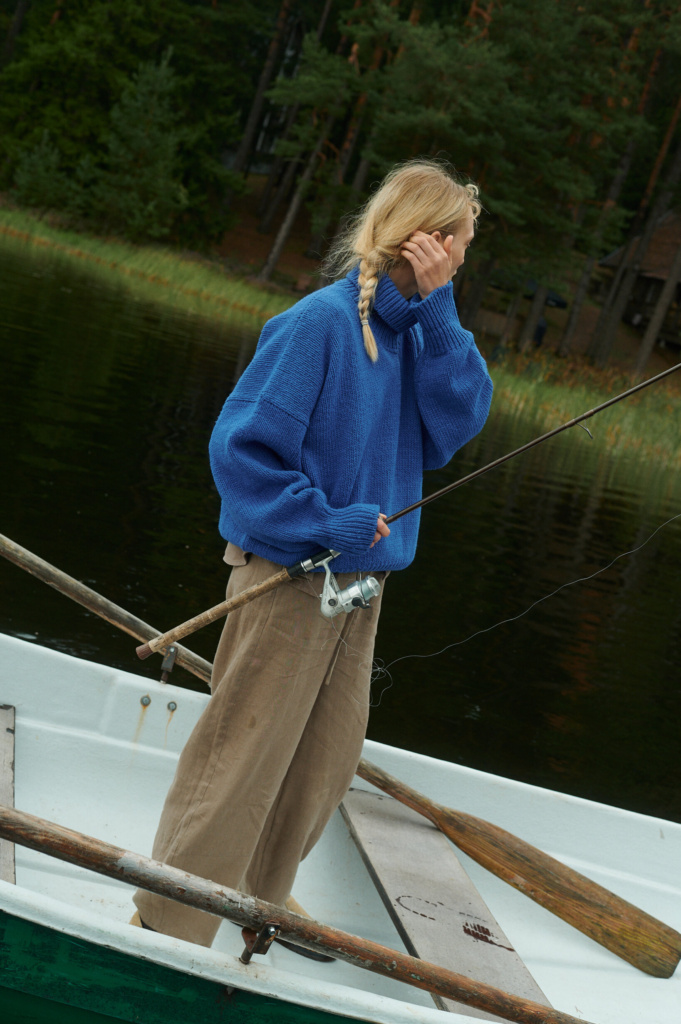
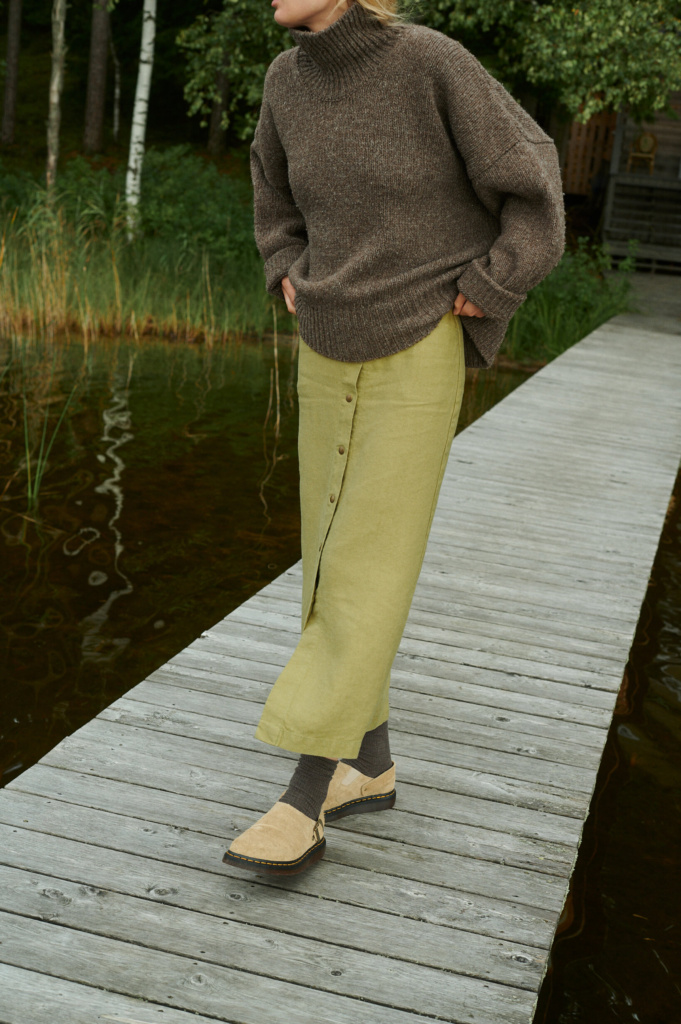
Absolutely! Linen isn’t just for summer. Medium-weight and heavyweight linen work well during autumn, especially when combined with warmer layers. As temperatures drop, consider linen-wool blends and suitable outerwear.
Start with autumn colors, such as deep browns, burgundy, olive green, and other earthy tones. Combine linen garments with wool sweaters, knitwear, and structured jackets. Denim linen and heavier linen fabrics are also excellent options for creating autumn outfits.
Both have their advantages. Medium-weight linen works well for shirts, dresses, and other garments you plan to layer. Heavyweight linen offers more structure, making it particularly suitable for pants and jackets. However, heavier linen doesn’t necessarily provide enough insulation for colder weather.
There is no specific temperature at which you should stop wearing linen. It depends on the fabric weight, weather conditions, and what you wear with it. During colder autumn days, combine linen with wool knitwear and warm outerwear. When temperatures approach freezing, proper insulation becomes essential.


