Your Cart
You are €150 away from free standard shipping.
Your cart is empty
You are €150 away from free standard shipping.
We cover all U.S. tariffs, so you won’t pay extra customs fees.
A good night’s sleep starts with more than a comfortable mattress. The bedding you sleep in matters too. The benefits of linen bedding include moisture absorption, durability, and a texture that softens with washing and use. But how does it compare to cotton, and is it worth the higher price?
In this guide, we explore linen’s main advantages, address common concerns, and share the details behind our first bedding collection.
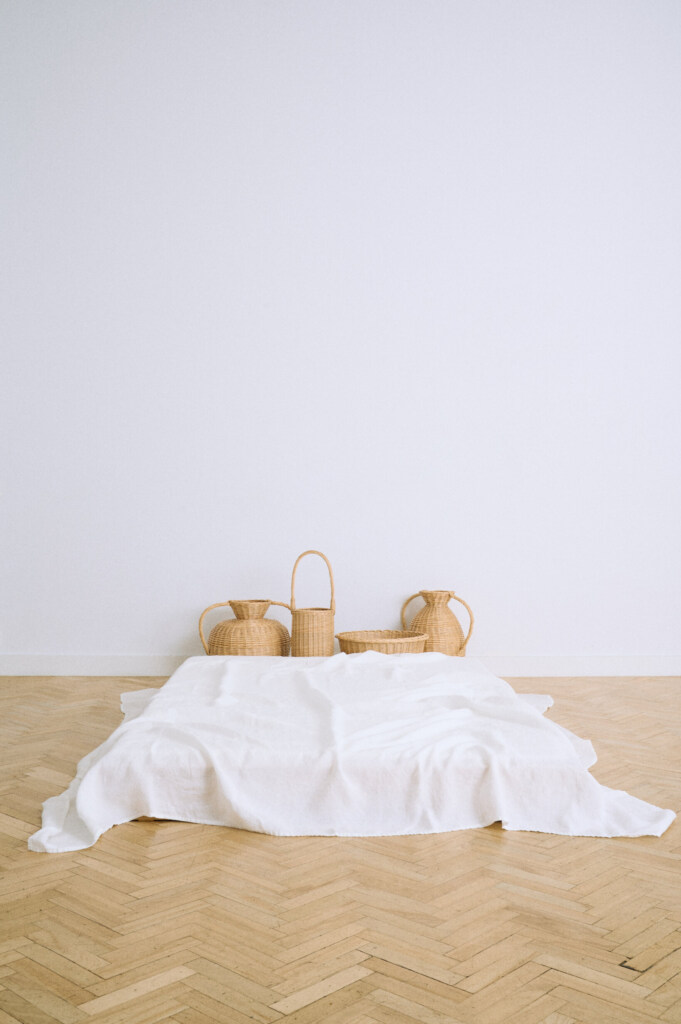
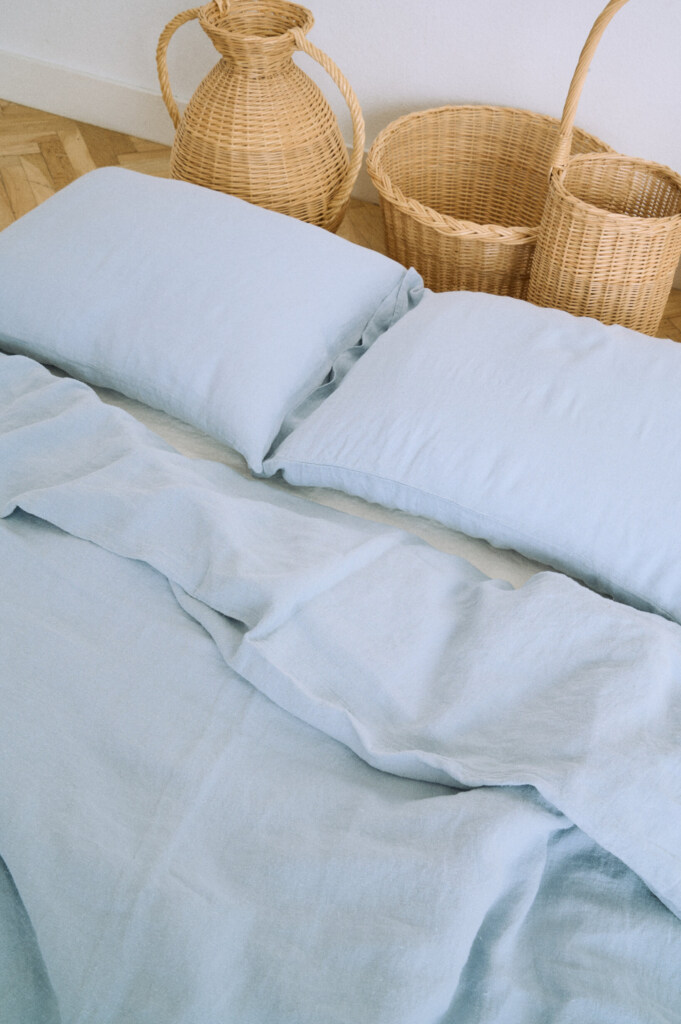
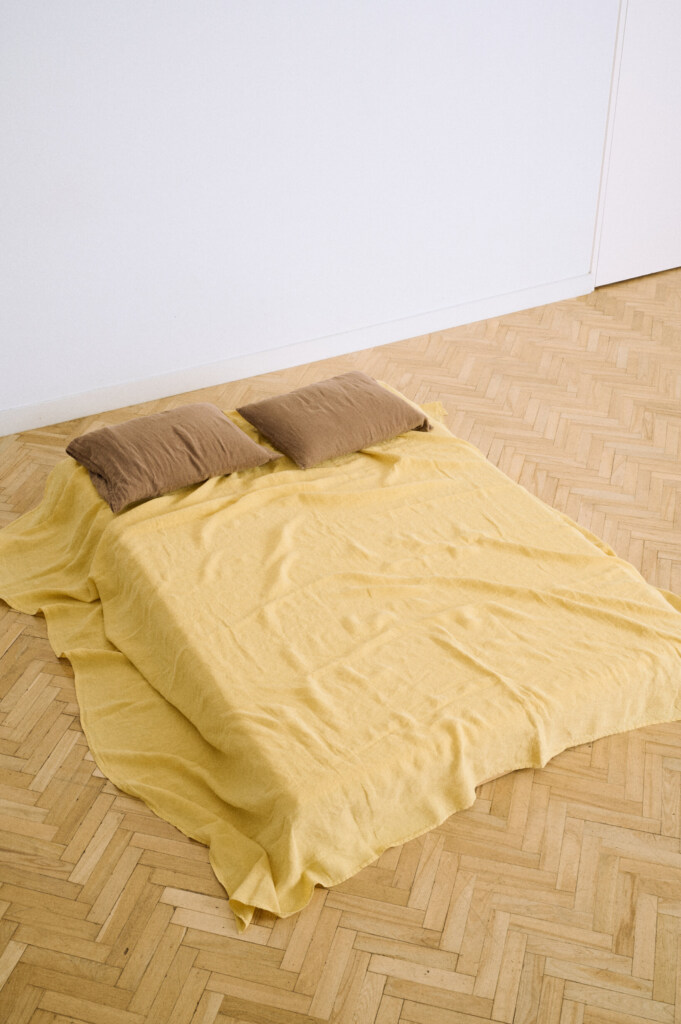
Linen’s texture may catch your eye first, but its everyday qualities matter just as much. From absorbing moisture to becoming softer with use, here are the main reasons to consider it for your bed.
Linen allows air to pass through the fabric and absorbs moisture from your skin. These qualities can help you feel more comfortable on warm nights, especially if you tend to get hot while sleeping. The fabric’s weight and weave also influence how it feels, alongside your duvet and room temperature.
Linen has a distinct texture that gradually softens with washing and use. Pre-washed linen offers a softer starting point while keeping the slightly uneven surface that gives the fabric its character. At Linenfox, we soften each piece after sewing, so our bedding feels soft from the first night.
Bedding goes through regular washing and nightly use. Linen’s strong flax fibres make it a practical choice for this routine. With appropriate care, quality linen bedding can serve you for years. Its lifespan also depends on the fabric’s construction and how you wash and dry it.
Linen bedding works beyond the summer months. Use a flat sheet as a light covering on warm nights, or pair your sheets and duvet cover with a warmer duvet in winter. This makes it easy to keep the same bedding in use while adjusting the layers to suit the season.
Linen naturally creases, and its relaxed appearance means you can skip ironing if you prefer. Shake out your bedding after washing and hang it to dry for a simple finish. The folds and wrinkles remain part of its everyday look.
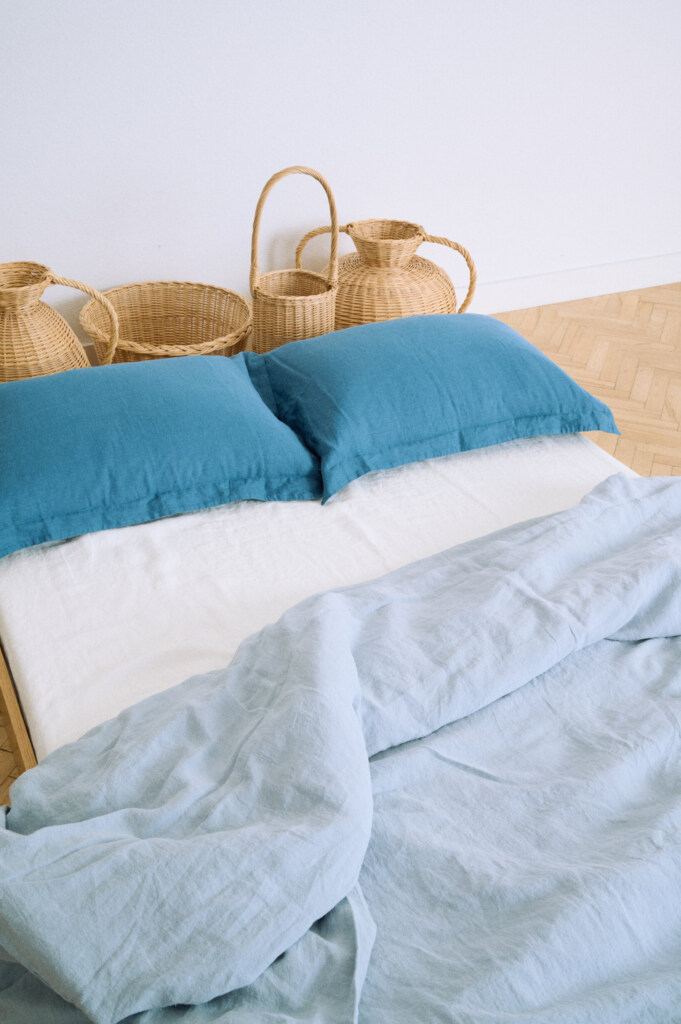
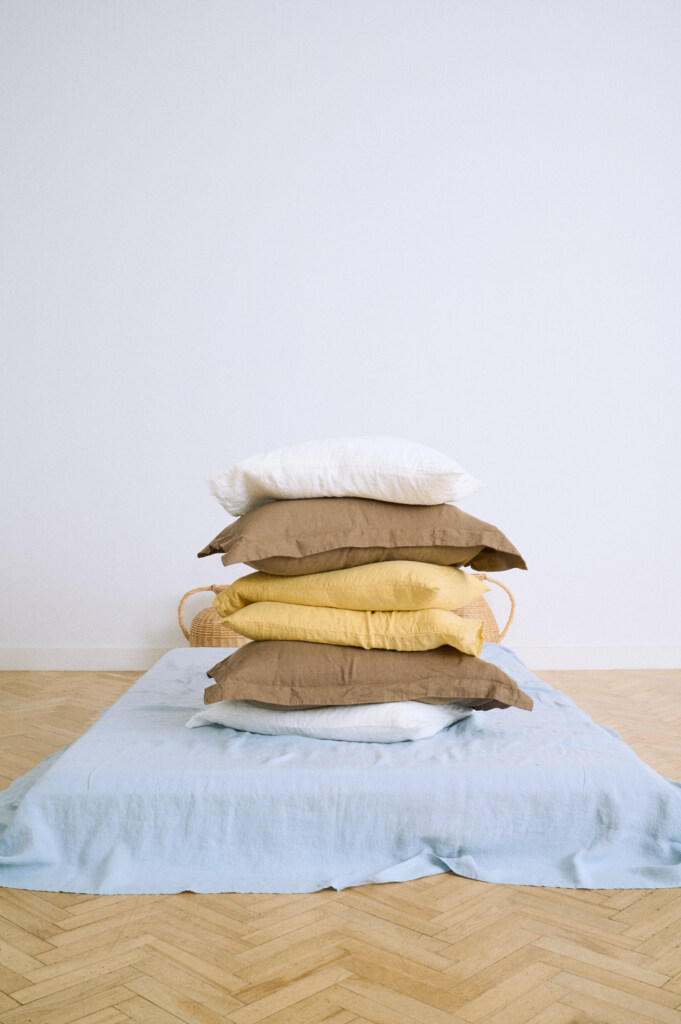
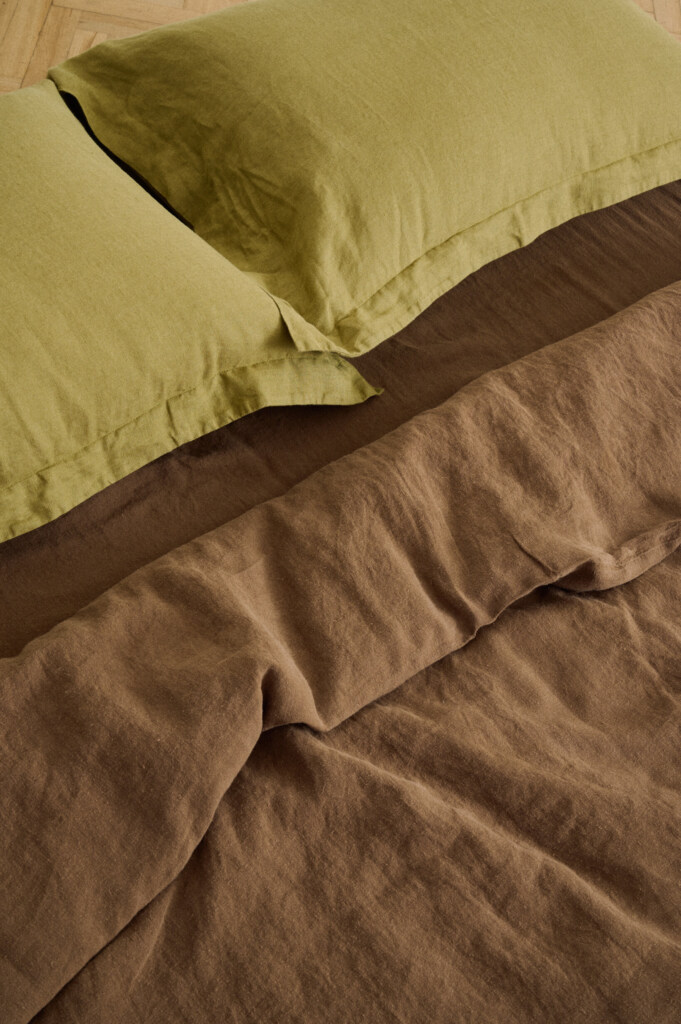
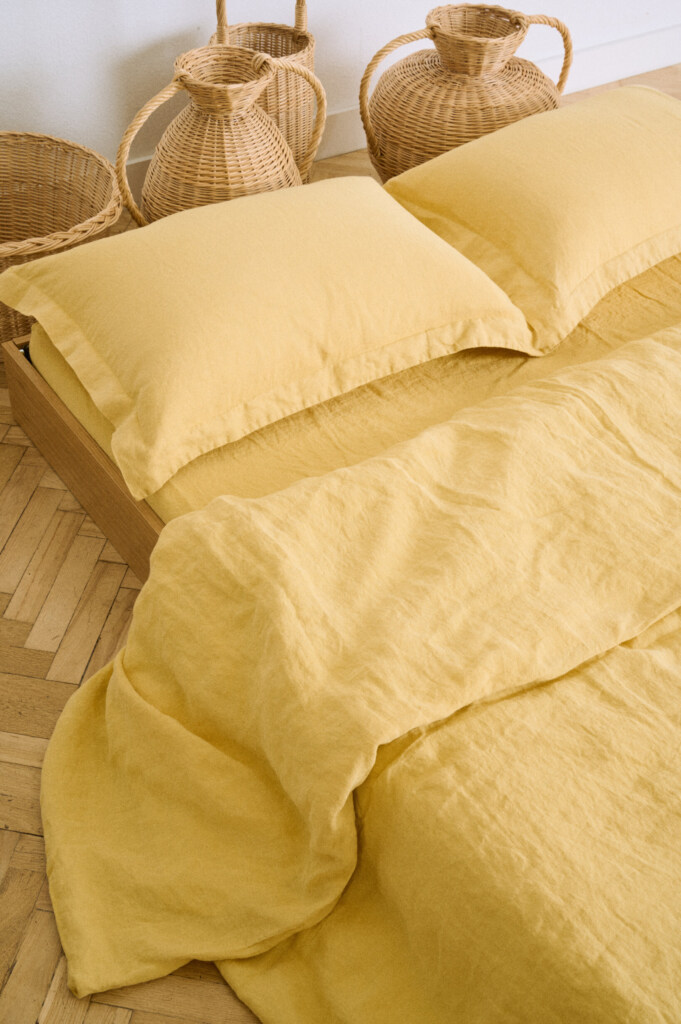
The benefits of linen bedding come with a few things to consider. Price, texture, and appearance all play a part in deciding whether it suits your preferences.
Linen bedding often costs more than cotton alternatives. Turning flax into yarn involves several processing stages, which contribute to the price. If you plan to use your bedding regularly for years, that initial cost may feel worthwhile. Still, fabric quality and construction matter more than a high price alone.
Linen feels different from smooth cotton, even after softening. Some people enjoy this texture, while others prefer a more even surface against their skin. Pre-washing makes linen softer from the start, but it retains its characteristic feel. If you are unsure, trying a single pillowcase can help before buying bedding for the whole bed.
Our entire bedding collection has a washed look that we create intentionally. We wash and soften each piece after sewing to give the linen an exceptionally soft feel and a gently worn appearance. Natural creases are part of this finish, so there’s no need to iron your bedding unless you prefer a smoother look.
Size names can vary between brands and countries, so always compare the actual measurements. For fitted sheets, check your mattress’s width, length, and depth. Match duvet covers and pillowcases to your inserts, rather than relying on labels such as Queen or King alone.
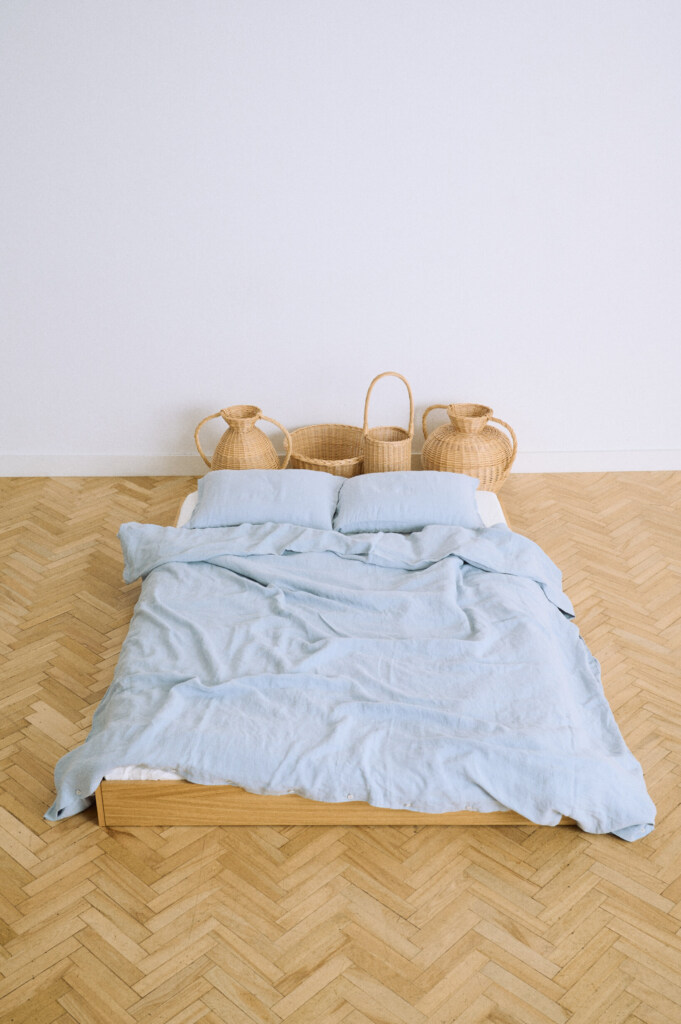
For a long time, we wanted to make exceptionally soft linen bedding for Linenfox. Our first collection brings together duvet covers, flat sheets, fitted sheets, and pillowcases in four colours: milky white, butter, dusty blue, and brown.
Our partners, who weave all our fabrics, also sew this collection. We use medium-weight European linen for every piece. They sew each piece first, then dye and soften the finished product. This process gives the linen a particularly soft, full texture and the washed look we wanted.
Although we use medium-weight linen, it feels noticeably different from the fabric in our clothing. Different finishing conditions make this bedding exceptionally soft, with a gently worn appearance from the start.
Our duvet covers close with corozo buttons. We chose buttons because they are easy to replace if one comes loose or goes missing, helping you keep the cover in use for longer.
Choose a flat sheet if you prefer to tuck it around your mattress or use it as a light covering. Our fitted sheets have elastic all around the edge to help keep them in place. Check your mattress measurements, including its depth, against the product’s size guide before ordering.
The pillowcases in this collection have an envelope closure that keeps the pillow insert out of sight, without buttons or zippers.
For more colours and combinations, explore our Oxford and Housewife pillowcases, which we sew in our own studio. These come in a wider colour selection, giving you more ways to combine them with the new bedding collection.
We sell each piece separately so you can choose exactly what you need. Combine different sizes and colours, add extra pillowcases, or replace a sheet without buying a whole new set.
A few simple habits will help keep your linen bedding soft and in good condition. Always follow the care label for each piece.
It depends on the finish. Untreated linen can feel firm at first, while pre-washed and softened linen has a softer feel. Our bedding collection goes through dyeing and softening after sewing, giving each piece an exceptionally soft texture before it reaches you.
Linen can shrink, especially when you wash or dry it at high temperatures. Our bedding goes through washing during production, which helps reduce further shrinkage. Always follow the care label and avoid high heat.
Yes. Pair linen sheets and covers with a warmer duvet during colder months. Your duvet’s filling and weight, along with the temperature of your bedroom, will influence how warm you feel.
Yes, but compare measurements in centimetres or inches rather than relying on size names alone. Check duvet and pillow dimensions, and include mattress depth when choosing a fitted sheet.
We sell each piece separately so you can choose the sizes, colours, and quantities you need. You can mix shades, add extra pillowcases, or replace a single sheet without buying a whole new set. If you prefer matching bedding, simply choose each piece in the same colour.