Your Cart
You are €150 away from free standard shipping.
Your cart is empty
You are €150 away from free standard shipping.
We cover all U.S. tariffs, so you won’t pay extra customs fees.
Linen has long been a popular choice for summer clothing, but why wear linen pajamas? Its natural texture, moisture-absorbing properties, and ability to allow air to circulate make it an appealing option for sleepwear, especially for those who prefer natural fabrics against their skin.
Yet not all linen pajamas feel the same. Fabric weight, finishing, and garment construction can make a noticeable difference in how comfortable they are to sleep in. Lightweight linen may appeal to those who prefer less coverage, while medium-weight linen offers a more substantial feel.
In this guide, we’ll look at why linen is worth considering for sleepwear, how different fabric weights compare, and what to know before choosing your next pajama set.
To understand why people choose linen pajamas, it helps to look at the qualities of the fabric itself. Made from flax fibres, it absorbs moisture and allows air to circulate through the fabric. This can be especially comfortable on warmer nights or for people who tend to feel hot while sleeping.
Another characteristic of linen is how its texture changes over time. Regular washing and wear gradually soften the fibres, giving the fabric a more relaxed feel. At Linenfox, we use linen woven from fine yarns and softened during production, so our pajamas already feel soft from the first wear.
Durability is another reason to consider linen for sleepwear. Flax fibres are naturally strong, and well-made linen pajamas can withstand regular washing and use for years when cared for properly.
Unlike fabrics that rely on a perfectly smooth surface, linen retains its slightly textured appearance. For some, this natural character is precisely what makes linen appealing, while others may prefer the smoother feel of cotton or silk.
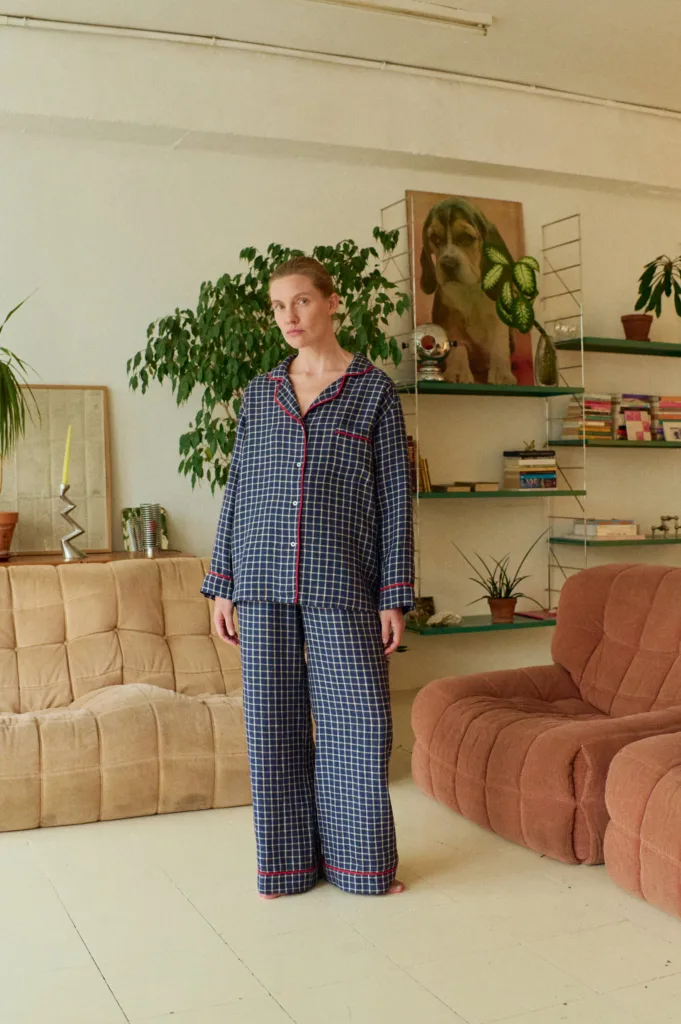
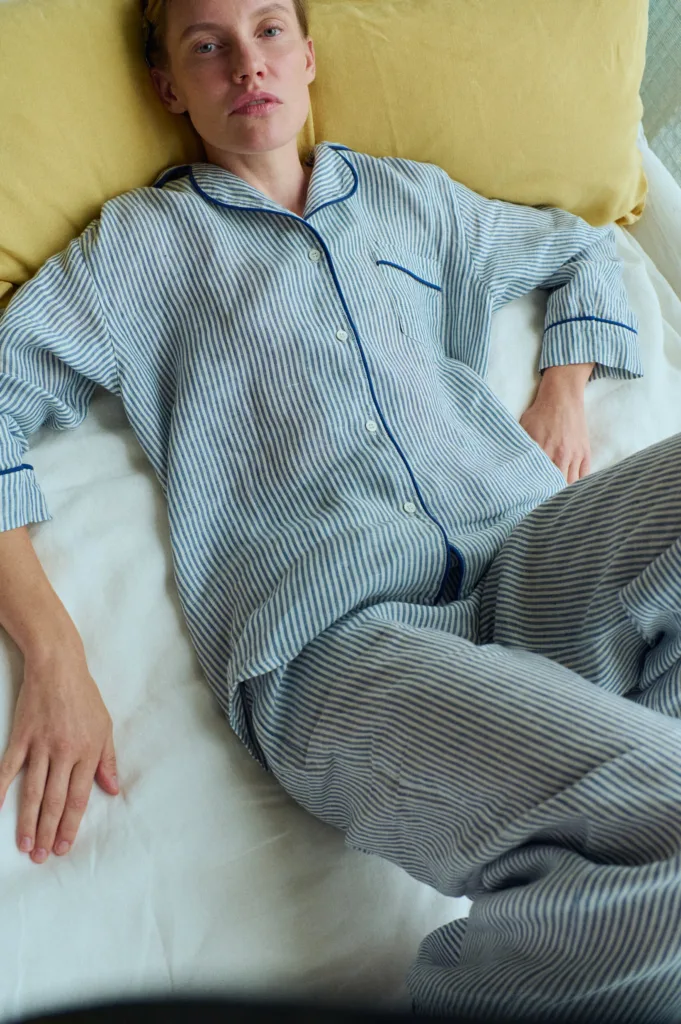
Unlike many synthetic fabrics, linen doesn’t rely on special finishes to provide breathability. Linen is made from flax fibers that are hollow. Air moves through it, not around it, so heat escapes instead of building up against your skin. The fibers also absorb moisture and dries relatively quickly.
So when you sweat, the fabric doesn’t turn clammy, and your body’s temperature is constantly regulated. This makes linen particularly appealing to people who tend to sleep warm or dislike the feeling of fabric clinging to their skin.
In addition, every wash relaxes these flax fibers – as a result, linen fabric softens and the texture mellows. So simply by wearing and regular washing you will get an even softer pajamas with no extra effort. Unlike fabrics that rely on a perfectly smooth finish, linen develops a relaxed, lived-in feel over time. At Linenfox, we use linen woven from fine yarns and softened during fabric production. This gives our pajamas a comfortable feel from the first wear, while allowing them to become even softer over time.
You do not need fabric softener to achieve this. In fact, following the care instructions and skipping unnecessary softening products can help preserve the linen’s natural character.
Durability is another significant reason to choose linen. Flax fibers are strong, and quality linen can withstand regular wear and washing. So your linen pajama will wear in instead of wearing out. That makes quality linen pajamas a long lasting addition to your wardrobe, that you can enjoy for years rather than replace every season
One of the most important things to consider when choosing linen pajamas is fabric weight. Even when both fabrics contain 100% linen, they can feel quite different against your skin.
At Linenfox, we’ve made pajamas from lightweight 130 g/m² linen for years, and recently introduced medium-weight 200 g/m² linen as another option. The lighter fabric has a delicate, airy feel, while medium-weight linen offers more coverage and a slightly more substantial drape.
Fabric weight is measured in grams per square meter (g/m²), but the number alone doesn’t tell the whole story. The weave, yarn quality, and finishing process also influence how linen feels. You can explore these differences further in our guide to different types of linen fabric.
| Feature | Lightweight linen | Mediumweight linen |
| Weight | 130 g/m² | 200 g/m² |
| Fabric | Pre-washed and softened during the fabric manufacturing process | Pre-washed and softened during the fabric manufacturing process |
| Feel | Airy, light, delicate | A little more body and structure, but still soft and breathable |
| Drape | Relaxed | Slightly more substantial |
| Best for the season of | Summer, and warm climates | Spring, fall, and cooler bedrooms |
| Suitable for | Warm nights and hot sleepers | Those who prefer more coverage |
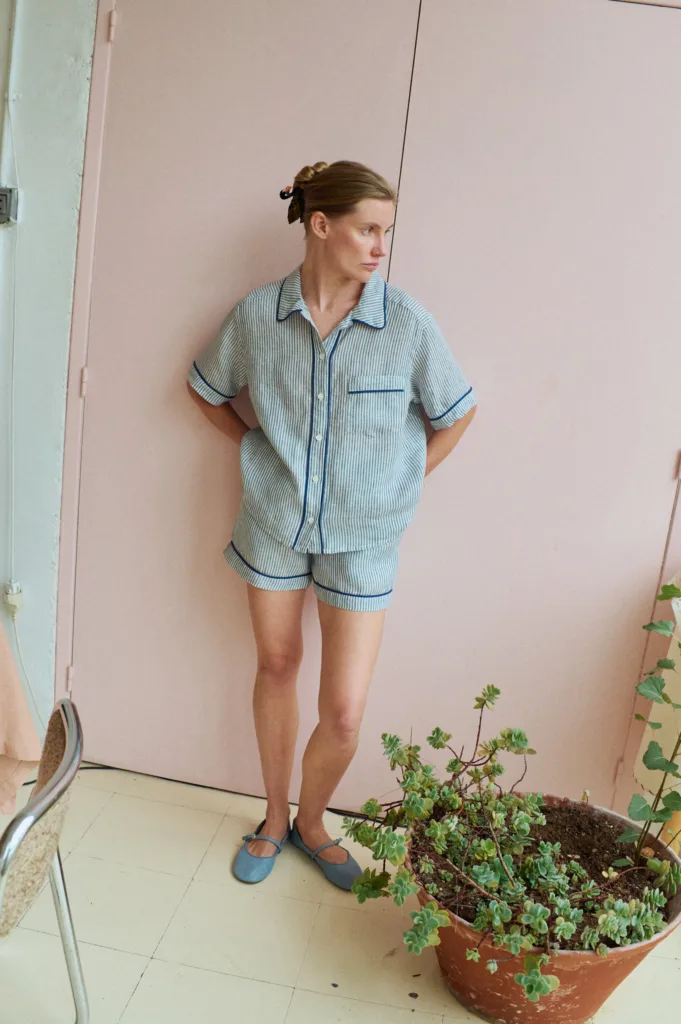
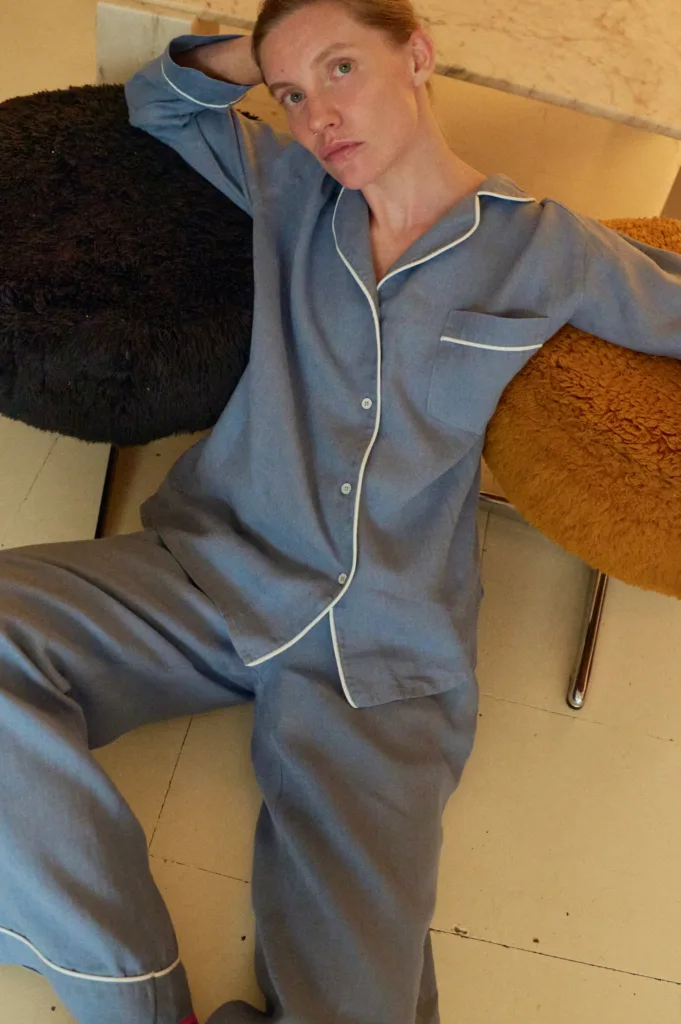
Our advice is to choose your pajamas according to your sleeping habits rather than the season alone. Someone who tends to feel warm at night may prefer lightweight linen even in winter, while someone who gets cold easily might appreciate medium-weight linen throughout much of the year. Consider your bedroom temperature, bedding, and personal preference before deciding.
Not necessarily. Linen has a naturally textured surface, but that doesn’t mean it has to feel rough against your skin. The quality of the yarn, fabric weight, and finishing process all influence how soft or coarse the fabric feels.
At Linenfox, we use fine-yarn linen that has already been softened during production. Both our lightweight and medium-weight pajamas feel soft from the first wear, although they have slightly different textures and drapes.
If you’re used to very smooth fabrics, such as silk or cotton sateen, linen may feel different at first. Its natural texture is part of its character, and it generally becomes softer with regular washing and wear.
Cotton and linen are particularly popular choices for natural sleepwear. Cotton offers a wide variety of textures and constructions, from lightweight woven fabrics to soft jersey knits. Linen has a more distinctive surface and gradually develops a softer, more relaxed feel with use.
Ultimately, the best choice depends on your bedroom temperature, sleeping habits, and the texture you enjoy against your skin. If you tend to feel warm at night or prefer sleepwear made from natural fibres, linen is certainly worth considering.
Here’s how some of the most popular sleepwear fabrics compare.
| Fabric type | Feel of the fabric | Qualities | Things to consider | Overt time it… |
| Linen | Textured, airy, soft, with naturally relaxed drape | Natural, breathable, absorbent, dries quickly, durable, softens with washing | Wrinkles easily, may feel textured | Becomes softer and more relaxed with washing; quality linen can last for years |
| Cotton | Soft, familiar, usually smooth, can stretch | Versatile, comfortable, Available at many prices | Can retain moisture; warmth and drying depend on the fabric | May soften, fade, shrink, or lose shape depending on the weave and quality |
| Silk | Smooth surface, gentle, lightweight, luxurious | Soft against the skin, absorbent, beautiful and elegant drape | Usually expensive, often needs delicate care | May lose its sheen or weaken with harsh washing, friction, and sunlight |
| Bamboo viscose | Very soft, smooth, fluid | Absorbent, comfortable, often stretchy when knitted | Can weaken when wet; production methods vary | May pill, stretch, or lose shape with repeated wear and washing |
| Satin | Smooth, glossy, often slippery | Soft surface, elegant appearance, fluid drape | Often traps warmth, may snag, properties depend on fiber content | May develop snags or lose some surface smoothness and sheen with friction |
| Polyester | Smooth or soft, depending on construction | Affordable, easy care, wrinkle-resistant, traps warmth | Synthetic, low moisture absorption, less breathable | Generally retains its shape but may pill and develop persistent odors |
| Flannel or fleece | Soft, brushed, cozy | Retains warmth and insulation, comfortable in winter | Can feel too warm for hot sleepers or heated bedrooms | The brushed surface may pill or flatten, gradually losing some softness |
Ultimately, the best choice depends on your bedroom temperature, sleeping habits, and the texture you enjoy against your skin. If you tend to feel warm at night or prefer sleepwear made from natural fibres, linen is certainly worth considering.
Linen pajamas generally cost more than basic cotton or polyester sleepwear. Producing linen involves several stages, from growing and processing flax to spinning yarn and weaving the fabric. The quality of the material, finishing process, and garment construction also contribute to the final price.
A well-made linen pajama set can last for years with proper care, making the initial cost easier to justify over time. Linen also becomes softer with regular washing, so the fabric can feel increasingly comfortable as you wear it.
Whether linen pajamas are worth the higher price ultimately depends on how often you wear them and what you value in sleepwear. If you appreciate natural fabrics, their distinctive texture, and clothing made for regular use, linen can be a worthwhile choice.
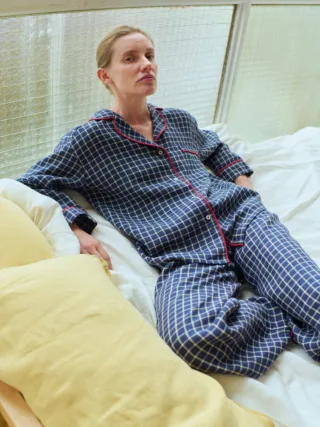
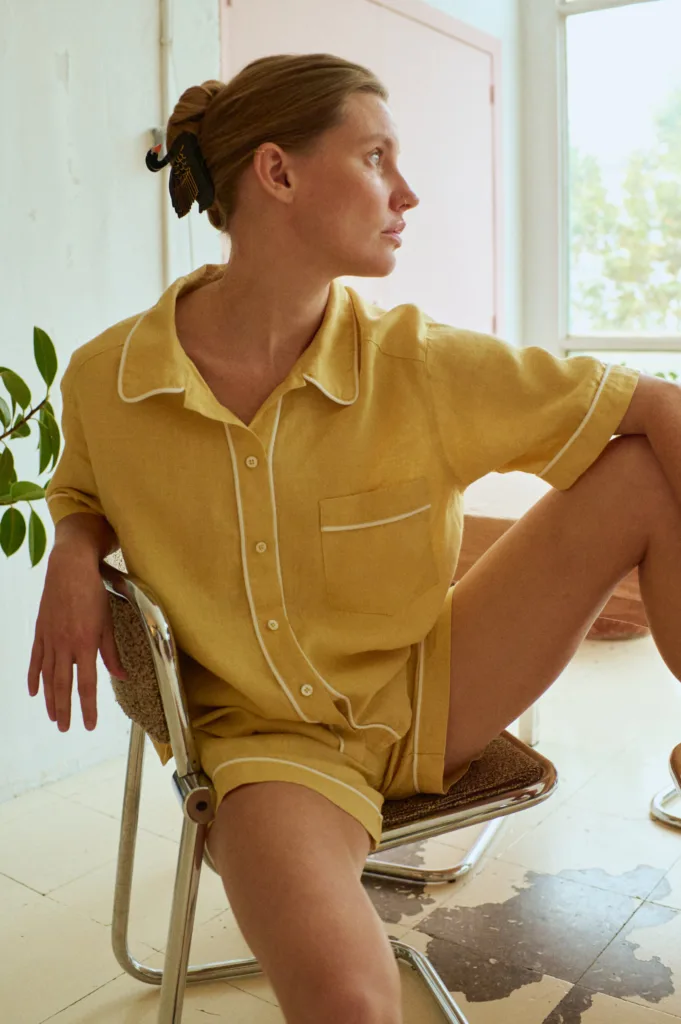
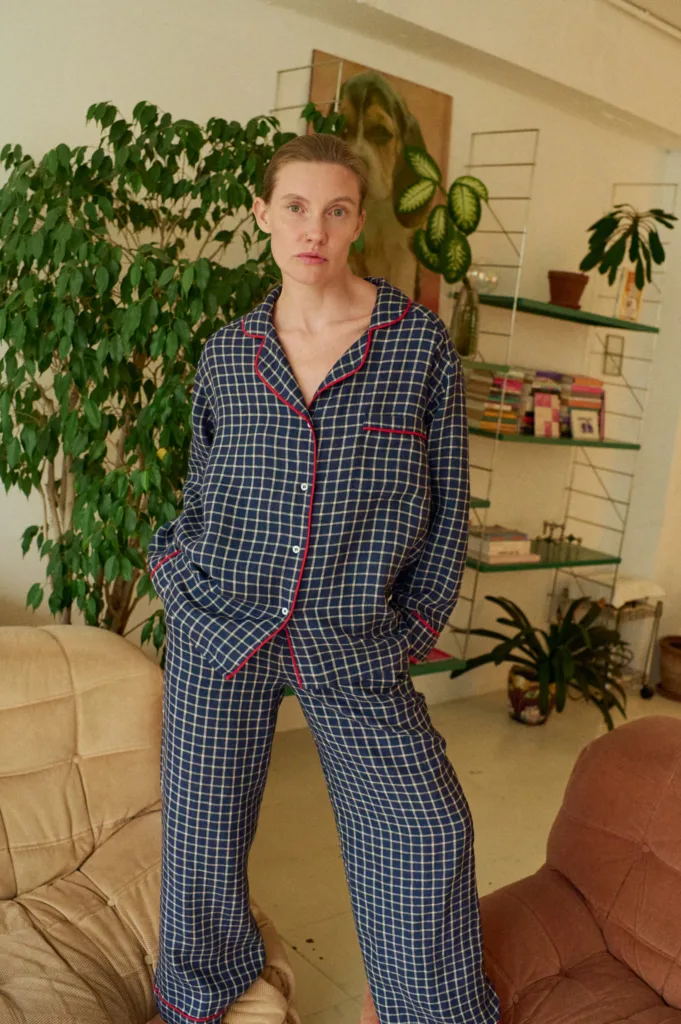
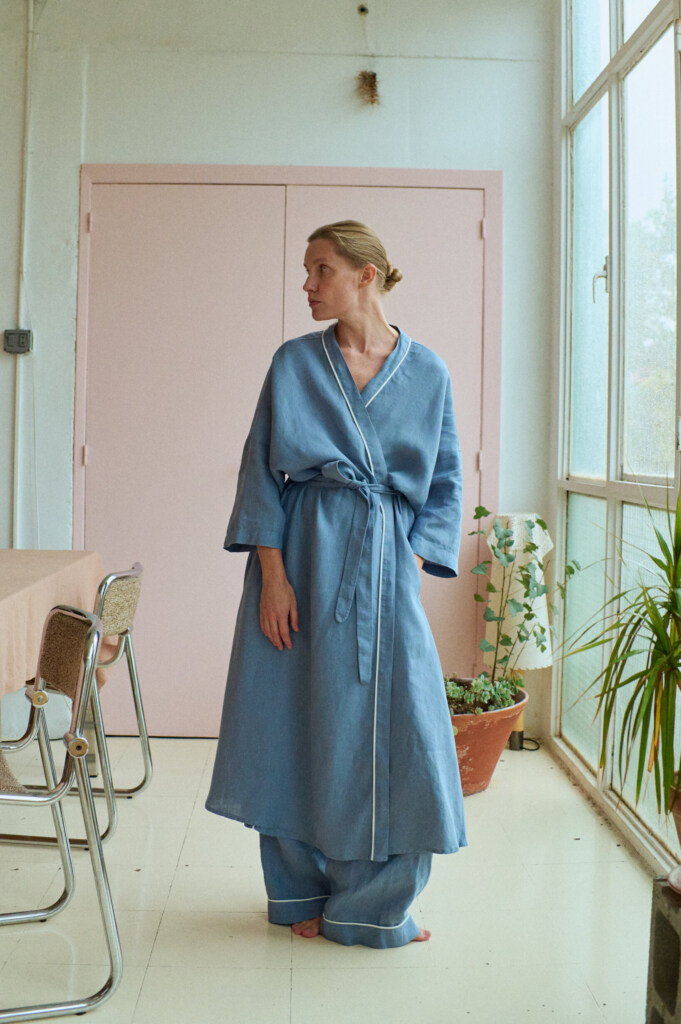
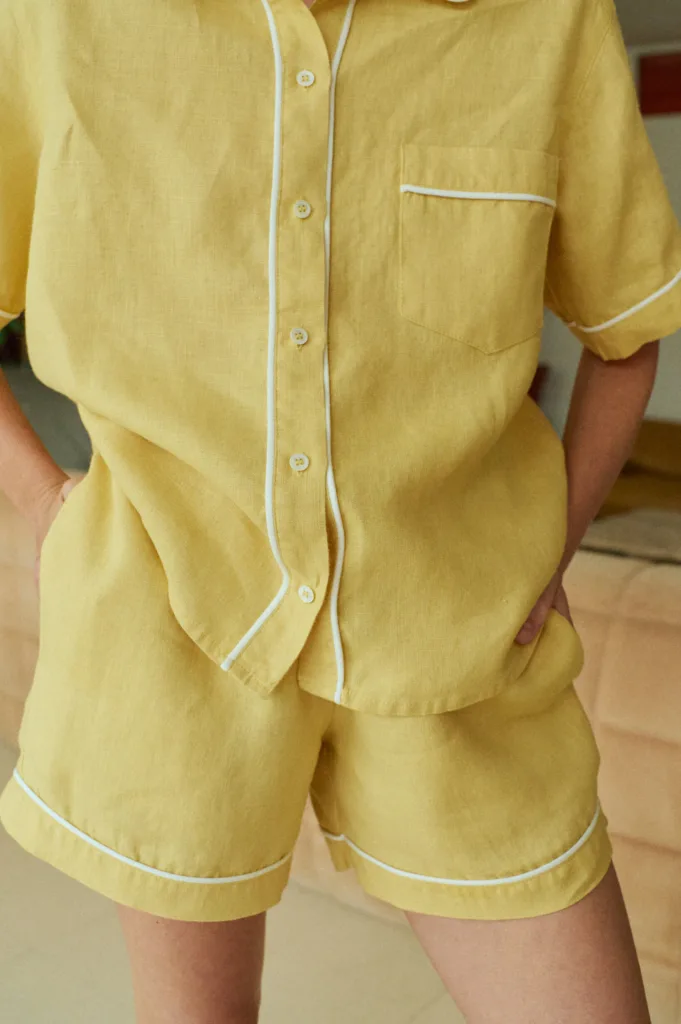
Our latest sleepwear collection brings together two-piece linen pajama sets with relaxed silhouettes, contrasting piping, natural mother-of-pearl buttons, and practical pockets. The designs take inspiration from classic pajama styles, with small details that give each set its own character.
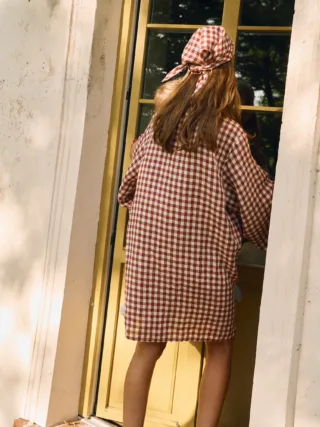
The collection includes solid colors, stripes, and checks, offering different looks while keeping the same approach to comfort and construction. We make our pajamas in Lithuania, with both ready-to-ship pieces and made-to-order options.
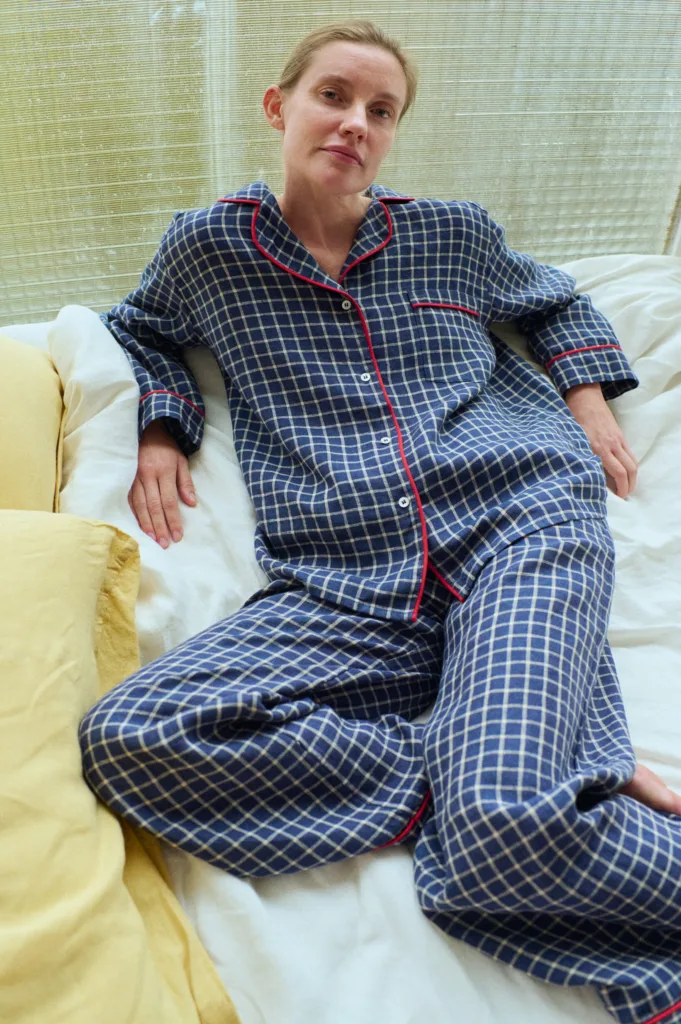
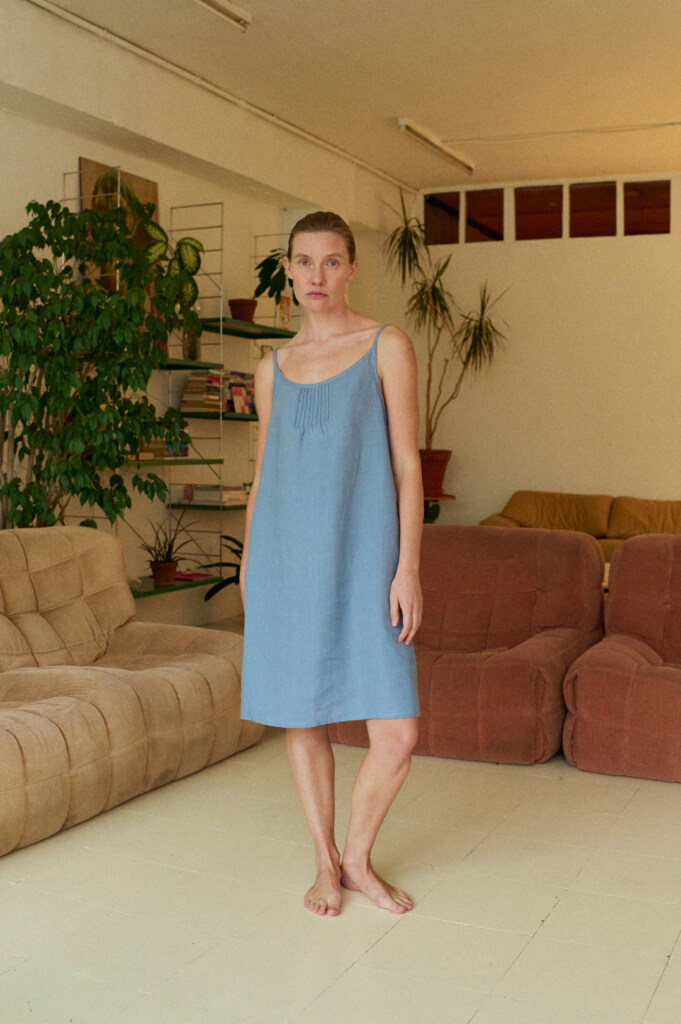
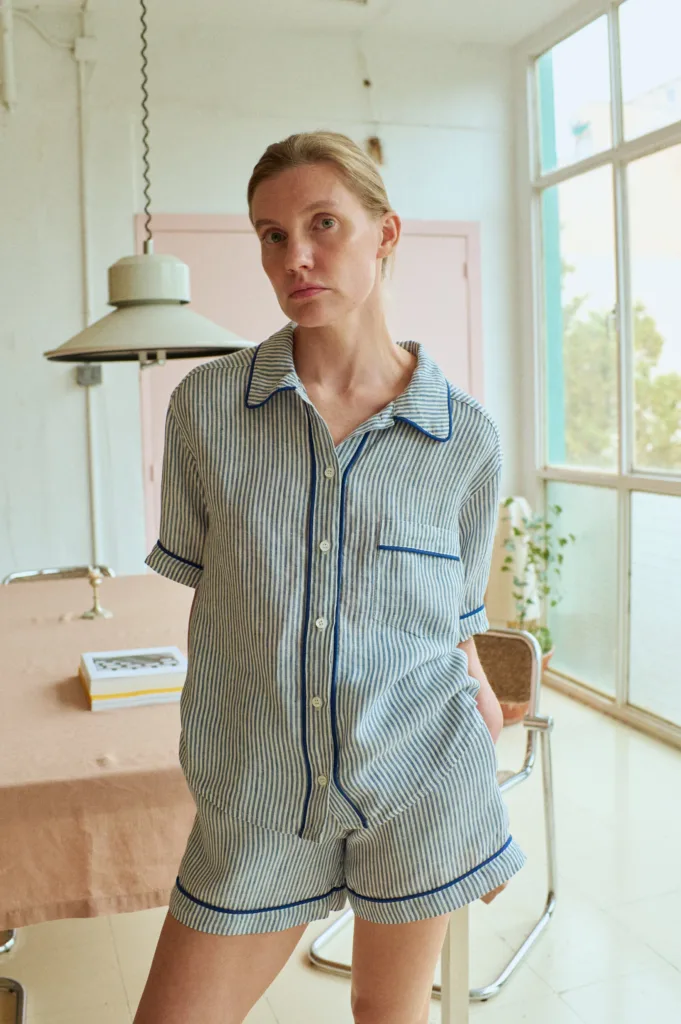
Linen pajamas don’t have to stay in the bedroom. A pajama shirt can work with simple trousers, jeans, or shorts, while pajama pants can be paired with a plain T-shirt or knit top for a relaxed day at home.
The contrasting piping and classic collars give these pieces a distinctive look, making them easy to wear separately. You can also mix them with other items from our linen clothing collection rather than keeping each set together.
Our short linen pajama sets combine oversized short-sleeve shirts with matching shorts. They offer less coverage, making them a good choice for warmer nights or anyone who prefers lighter sleepwear.
For those who prefer more coverage, our long pajama sets feature long-sleeve shirts and wide-leg pants. Both designs have relaxed shapes, so the choice comes down to your sleeping habits, bedroom temperature, and personal preference.
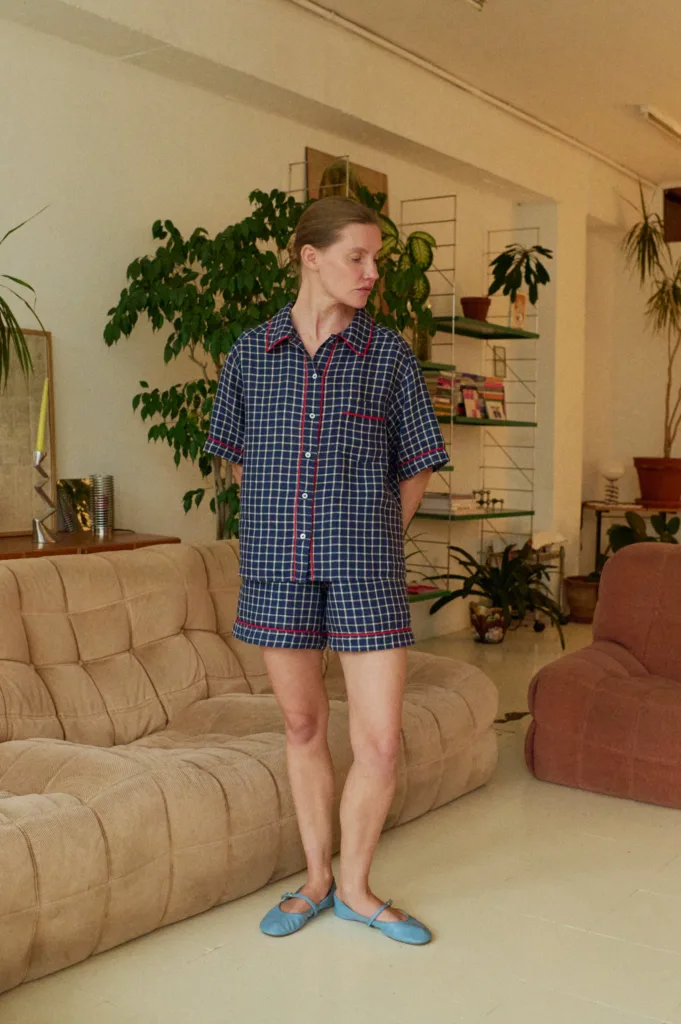
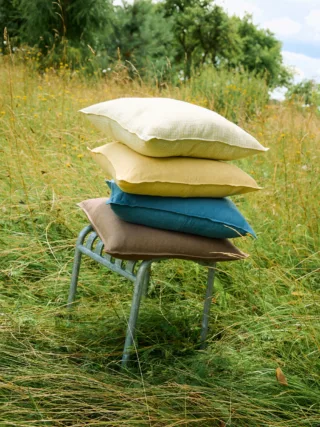
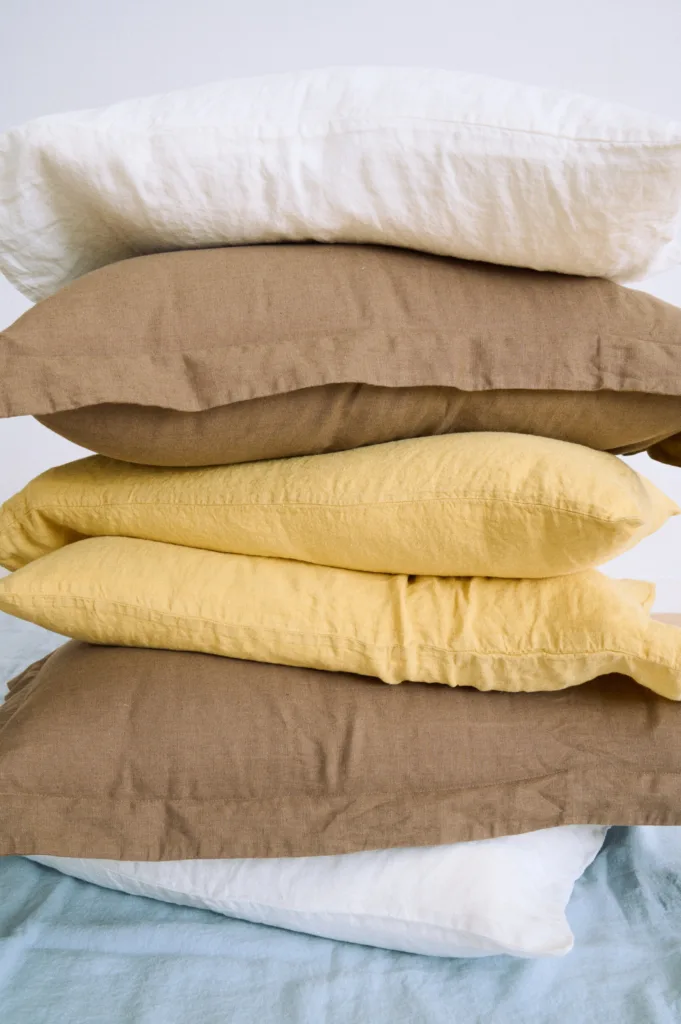
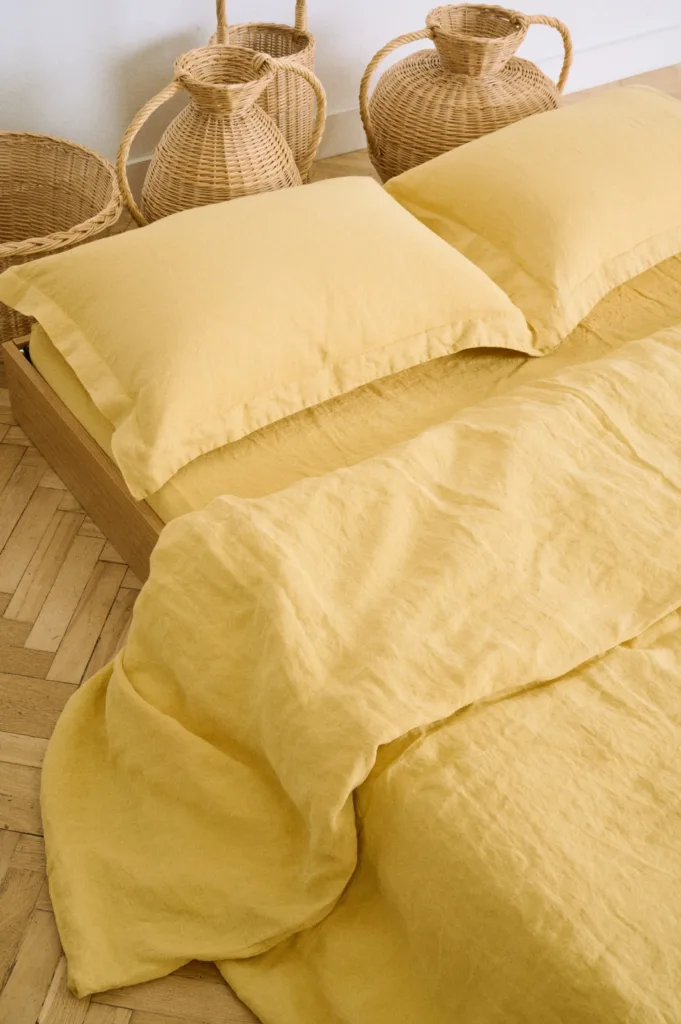
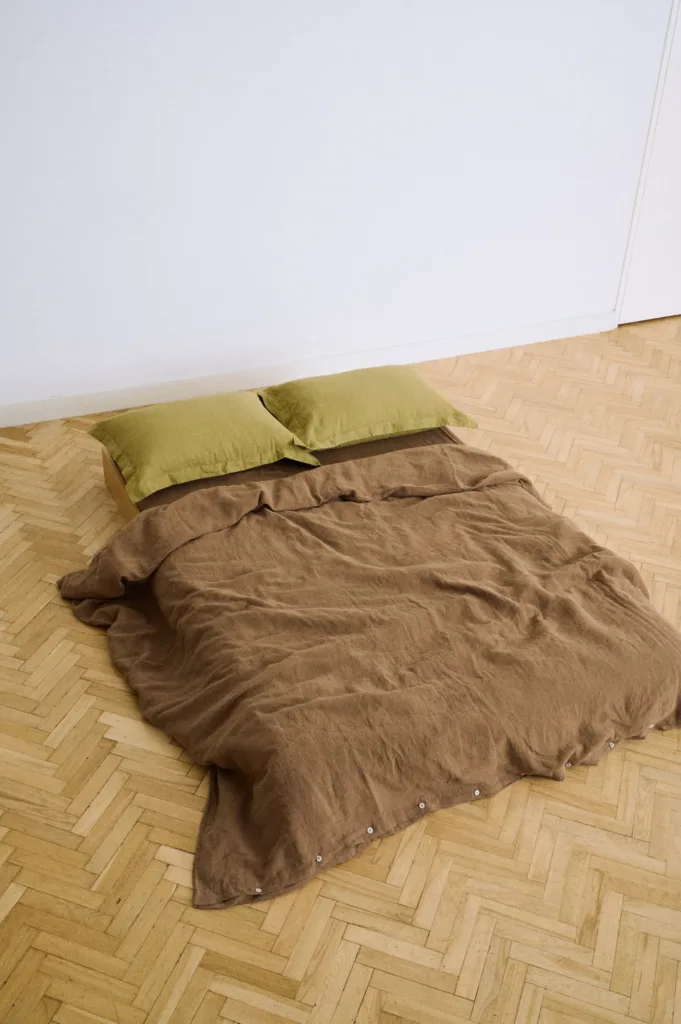
And if you enjoy sleeping in linen, you might also like it on your bed. Our linen bedding collection includes duvet covers, sheets, and pillowcases in soft, muted colors that can be mixed and matched with your sleepwear.
Yes. Softened linen can feel comfortable against the skin, while its moisture-absorbing properties and natural texture make it a good choice for sleepwear. A relaxed fit also allows room to move comfortably throughout the night.
Linen can be a good option for people who tend to feel warm at night. It absorbs moisture and allows air to circulate, which can help reduce the feeling of damp fabric against your skin. Lightweight linen may be particularly suitable for warmer bedrooms.
Yes. Long linen pajama sets, especially those made from medium-weight fabric, can work well during winter. However, linen provides less insulation than wool or fleece, so your bedroom temperature and bedding will influence how warm you feel.
They can be, although individual skin sensitivity varies. Softened linen with well-finished seams may feel comfortable against the skin, but people who react to textured fabrics should consider how the material feels before purchasing.
There is no fixed rule. How often you wash your pajamas depends on how frequently you wear them, whether you sweat at night, and your personal hygiene preferences. Follow the garment’s care instructions and avoid unnecessary harsh washing to help maintain the fabric.