Your Cart
You are €150 away from free standard shipping.
Your cart is empty
You are €150 away from free standard shipping.
We cover all U.S. tariffs, so you won’t pay extra customs fees.
Many people associate linen with heat, lightness, and holidays, which is partly true. But linen can also feel structured, warm enough for transitional weather, and suitable for everyday wear beyond the hottest months when choosing linen clothing.
Many people associate linen with heat, lightness, and holidays, which is partly true. But linen can also feel structured, warm enough for transitional weather, and suitable for everyday wear beyond the hottest months.
Understanding when to wear linen is less about following seasons and more about choosing the right fabric, shape, and use, especially when considering wearing linen in different seasons.
Linen is often associated with summer, but it is not limited to warm weather. This perception comes from the most common type of linen — lightweight fabric that feels airy and cool on hot days.
In reality, linen behaves differently depending on its weight and structure. While lighter linen works best in heat, denser fabrics can feel more stable and comfortable in cooler conditions. This makes linen more versatile than it is often assumed to be.
Rather than being tied to a single season, linen adapts to how it is used. With the right fabric choice and styling, it can be worn well beyond summer without losing its practicality or comfort.
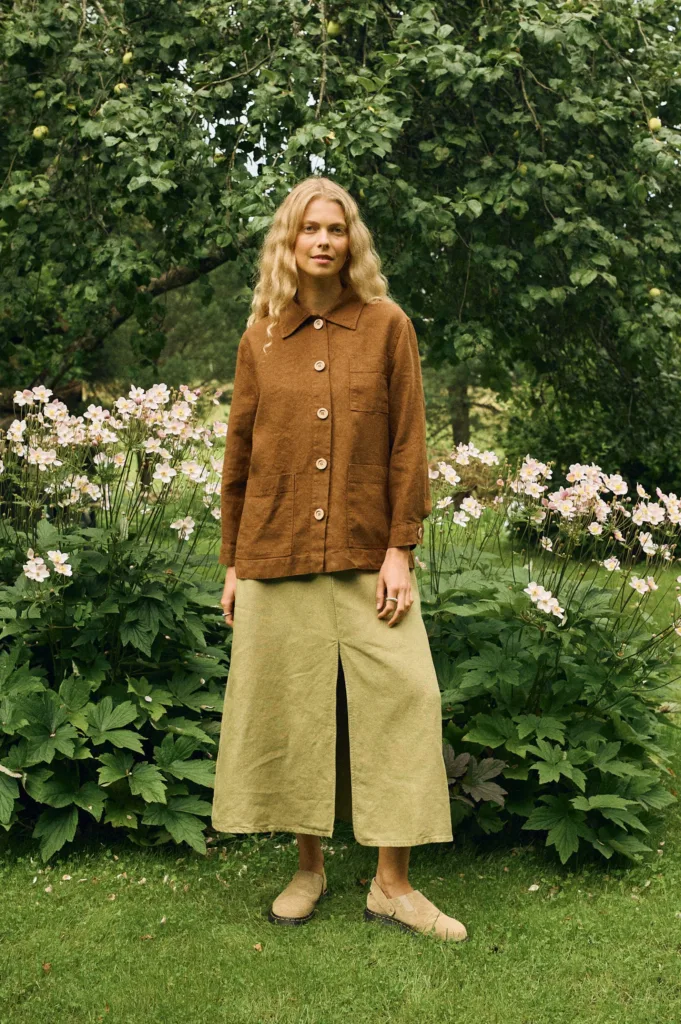
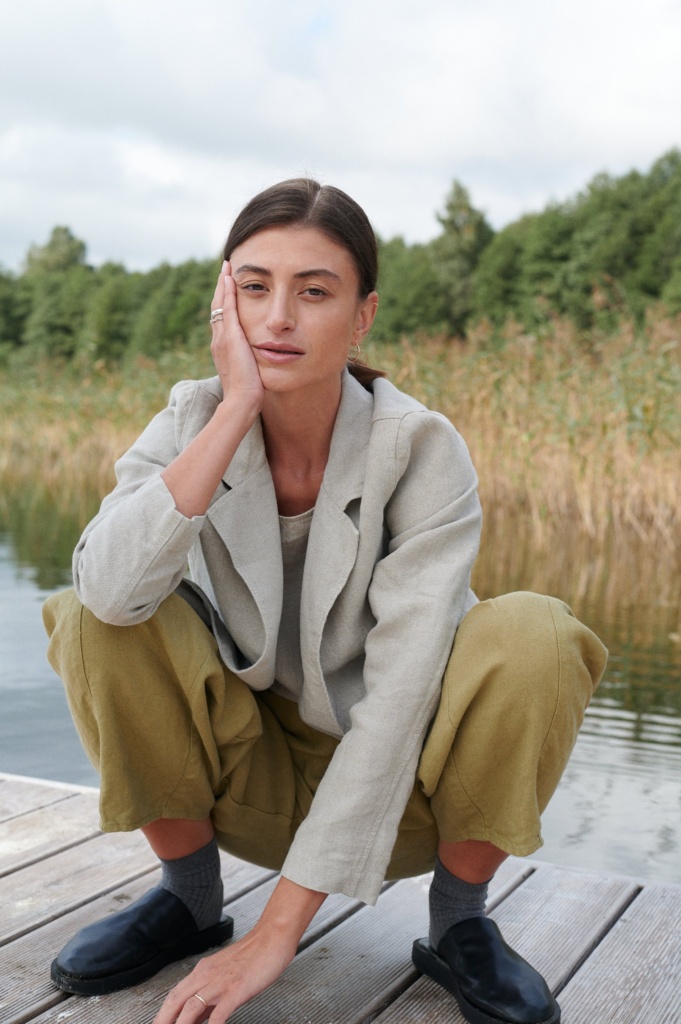
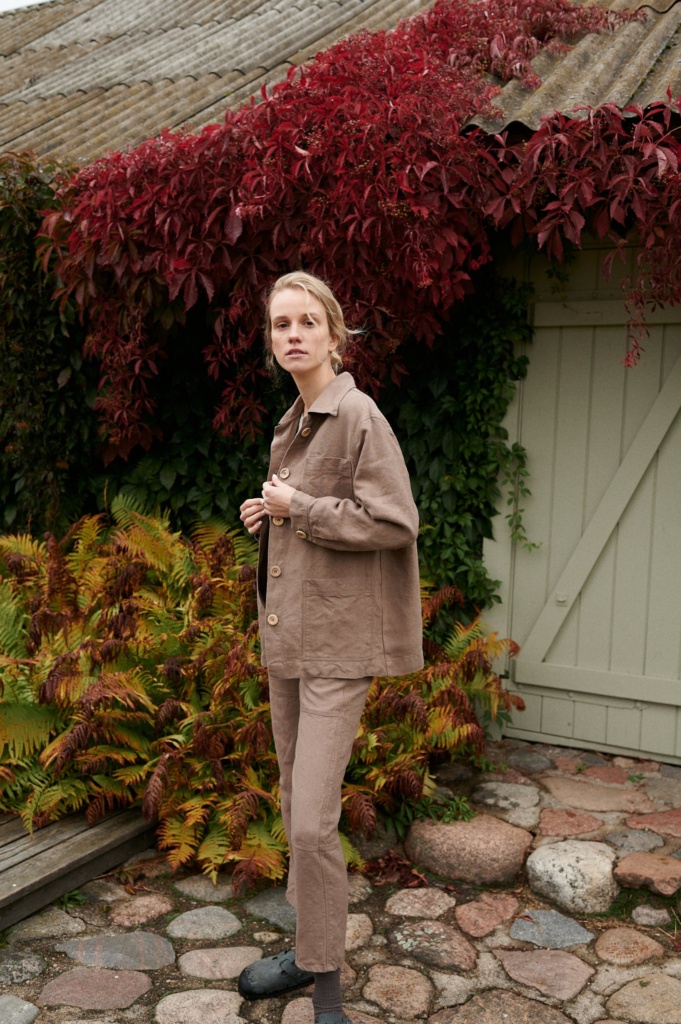
Linen feels most comfortable when the garment matches how it is used. Different pieces behave differently, and that becomes especially noticeable in everyday wear.
Linen dresses are often the easiest to wear in warm conditions. Looser shapes allow air to move around the body, and the garment does not require much adjustment throughout the day. This makes them suitable for long hours, travel, or simply moving between different environments.
Linen pants offer a different kind of comfort. Wider styles can feel just as light as dresses, while still giving a sense of coverage and structure. In more active situations, such as walking, working outdoors, or spending time in the garden, pants often feel more practical.
Tops and blouses play a supporting role. Simpler shapes work best, especially when paired with linen bottoms, as the fabric behaves consistently across the outfit. This creates a more balanced feel and avoids the need to adjust different materials throughout the day.
Comfort in linen is not only about temperature. It comes from how each piece fits into daily use — whether it allows movement, adapts to different situations, and feels easy to wear without overthinking.
Linen is often associated with heat, but certain garments are designed to work well beyond the summer months. The difference comes down to fabric choice and how the piece is constructed.
Heavier linen naturally holds more structure and feels more stable in cooler conditions. It is less affected by movement and works well in garments that need a more defined shape. Linen–wool blends extend this even further, adding warmth while still keeping the natural feel of linen.
Construction becomes just as important as fabric. Pieces designed for layering are cut differently, allowing space for additional garments underneath. Sleeves are often slightly wider or more open at the armhole, making it easier to wear layers without restricting movement.
Linen pants in heavier fabrics are often the most practical option for transitional weather. They provide coverage and structure while still allowing flexibility in how they are styled. Dresses and tops can also work beyond summer when the shape allows for layering and the fabric supports it.
Rather than being limited to a season, linen adapts through fabric and construction. The same material can feel light and open or more structured and warm, depending on how it is developed into a garment.
Season alone does not define how linen feels. The type of fabric used in a garment has a much greater impact on how it performs in different conditions.
Lighter linen tends to feel more open and relaxed, which makes it suitable for warm weather and pieces that require movement. At the same time, it can feel too soft or unstable in situations where more structure is needed.
Heavier linen creates a different experience. It holds its shape more clearly and feels more substantial, which makes it suitable for garments that need to maintain their form throughout the day. This is especially noticeable in pants and more structured silhouettes.
Blended fabrics introduce another layer of variation. Linen–wool blends add warmth and density, while linen–cotton blends create a smoother surface with less wrinkling. Each option changes how the garment behaves, even if the overall design remains similar.
Because of this, choosing linen is less about the season and more about understanding how the fabric will perform in real use.
Linen works best in situations where clothing needs to adapt to movement and changing environments throughout the day.
For travel, linen pieces are often one of the most practical choices. Dresses and wider silhouettes allow ease of movement and do not require constant adjustment, even after long hours of wear.
Linen also feels natural in everyday routines, especially during slower days or time spent at home. The fabric allows the garment to move with the body rather than restrict it, which makes it easy to wear without overthinking.
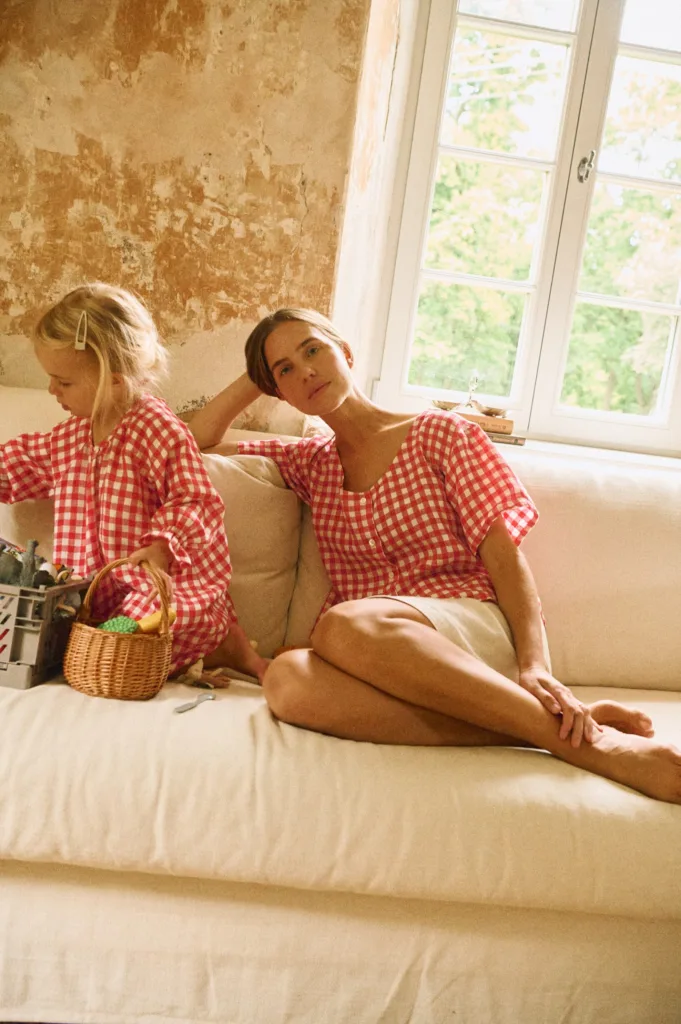
Time spent with children or at the beach is another setting where linen works particularly well. Garments that feel light, open, and easy to move in become especially important, while the overall look remains simple without requiring additional styling.
Linen is often at its best when simplicity is needed. In many cases, the garment does not require layering or extra elements, which makes it easier to build an outfit that feels complete on its own.
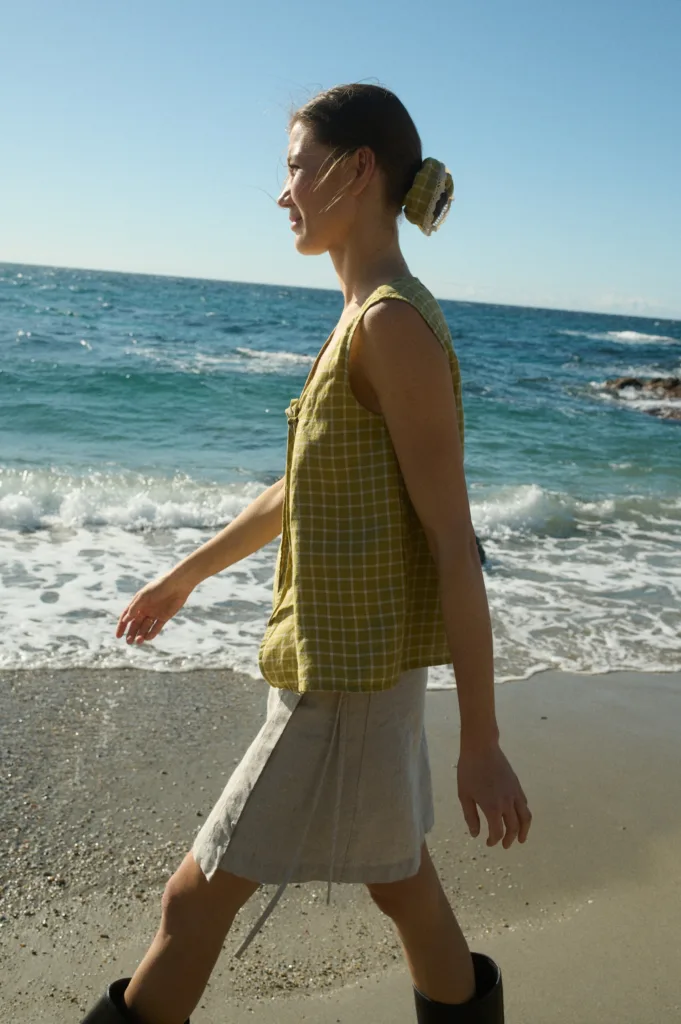
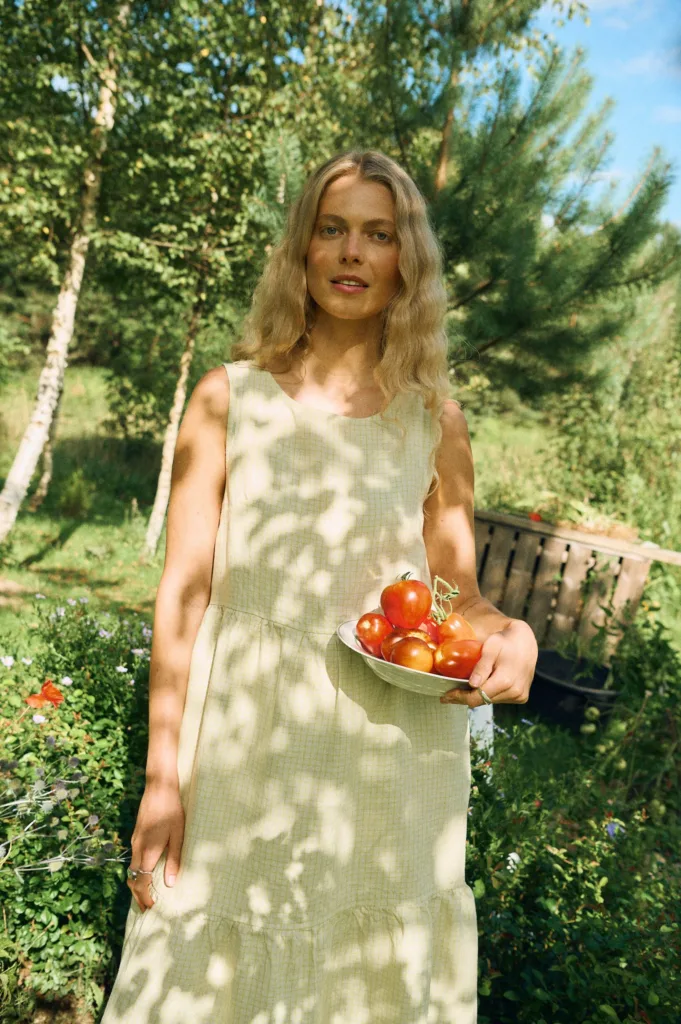
Although linen is versatile, there are situations where it may not be the most practical option.
For more intensive physical activity, such as hiking or sports, linen is generally not recommended. Even though linen comes in different weights, it remains a delicate natural fabric that is not designed for high-impact use or constant friction.
In these conditions, the fabric may wear out more quickly, especially if it is exposed to repeated movement, rough surfaces, or heavy use. To maintain the quality and longevity of linen garments, it is important to choose when and how they are worn.
Linen may also feel less suitable in very structured or formal environments, where fabrics with a more rigid appearance are expected.
Rather than avoiding linen, these situations highlight the importance of understanding its nature. With proper care and thoughtful use, linen can last for years, but it performs best when worn in the right conditions.
No, linen is not limited to summer. While lighter fabrics are most comfortable in heat, heavier linen and linen blends can be worn in cooler conditions when chosen and styled appropriately.
Yes, linen can work beyond warm weather when the fabric is denser and the garment allows layering. Heavier linen and linen–wool blends provide more structure and warmth.
Yes, linen is well suited for everyday use, especially in garments that allow movement and do not require constant adjustment. Dresses, pants, and looser silhouettes tend to feel the most natural.
Linen is not recommended for intensive physical activities such as hiking or sports. Although it comes in different weights, it remains a delicate natural fabric that can wear out more quickly under constant friction and heavy use.
Linen does not belong to a single season. It adapts through fabric, construction, and how each piece is worn, becoming part of everyday life rather than something reserved for specific conditions.
If you are choosing linen, it is worth looking beyond the season and focusing on how the garment will be used. The right piece will feel natural, last longer, and require less effort to wear over time.


