Your Cart
You are €150 away from free standard shipping.
Your cart is empty
You are €150 away from free standard shipping.
We cover all U.S. tariffs, so you won’t pay extra customs fees.
Linen lace might seem like a small detail, but bringing it into our garments was a much longer process than expected. From the beginning, it was important for us to create it as close to our studio as possible, keeping both the material and the making process within reach.
This collection grew slowly — through testing, adjustments, and small decisions that shaped how linen and lace come together. What appears simple on the surface is the result of careful work behind each piece.
What started as a simple idea quickly turned into a longer process than we had expected. Linen lace was never meant to be just an added detail — it had to work as a natural part of the garment, both visually and structurally.
Finding the right solution took time. It was important for us to keep the production close, rather than relying on materials that travel long distances. That decision alone limited the options and required a more careful search.
From there, the process became one of refinement. Each step — from selecting patterns to testing how lace behaves with linen — required adjustments and repeated trials. Some versions looked right but did not perform well after washing, while others needed changes in width or placement to feel balanced within the garment.
This slower process shaped the collection. Instead of forcing a result, we allowed the material to guide the outcome, arriving at solutions that feel consistent, functional, and true to the way we design.
From the beginning, it was important for us to keep linen lace production as close to our studio as possible. We wanted to work with partners who could understand the material and respond to the specific requirements of working with linen.
This decision was not the easiest one. Producing locally meant fewer options and a longer search, but it allowed us to stay closely involved in the process and make adjustments when needed.
Keeping production nearby also helps maintain a shorter production chain. The materials do not travel long distances before becoming part of a finished garment, which aligns with how we approach making linen clothing as a whole.
Working with linen lace required extensive testing before we reached the final result. We explored different patterns and widths, looking for options that would not only look right but also behave consistently once integrated into a garment.
One of the main challenges was how each lace pattern reacted after washing. Linen naturally changes with use, and lace structures respond differently depending on their density and construction. Some patterns held their shape well, while others became too soft or lost their definition.
Width also played an important role. Narrower lace created a more subtle effect, while wider patterns became a stronger visual element and required more careful placement within the garment.
This stage involved repeated adjustments and testing. Only after seeing how the lace performed over time were we able to select the versions that felt stable, balanced, and suitable for everyday wear.
After extensive testing, we selected two types of linen lace that worked best with our garments. Each one serves a different purpose and is used in a specific way within the design.
The first type is designed to be inserted into the fabric. It becomes part of the garment structure, creating a subtle line of detail without interrupting the overall shape. This approach allows lace to feel integrated rather than decorative.
The second type is used along the edges — on hems, sleeves, or collars. Here, the lace acts as a finishing detail, adding softness and a more visible contrast to the garment.
Both types were chosen not only for how they look, but for how they behave in wear and after washing. They needed to remain stable, comfortable against the skin, and consistent over time.
Linen lace works best in garments where it can enhance the shape without overwhelming it. In dresses, it adds a softer detail while keeping the overall silhouette relaxed and open.
In tops, lace highlights areas such as sleeves or necklines, creating a more defined finish without adding complexity. For pants, it is used more subtly, becoming part of the structure rather than the main focus.
Each application is chosen carefully, depending on how the garment is worn and how the lace interacts with the fabric and movement.
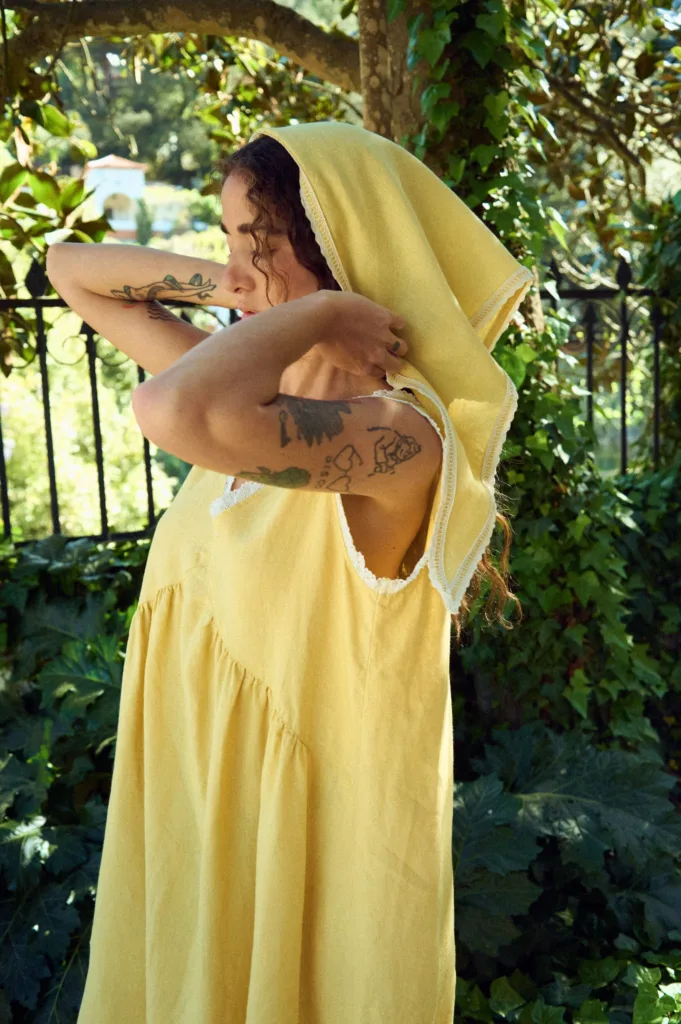
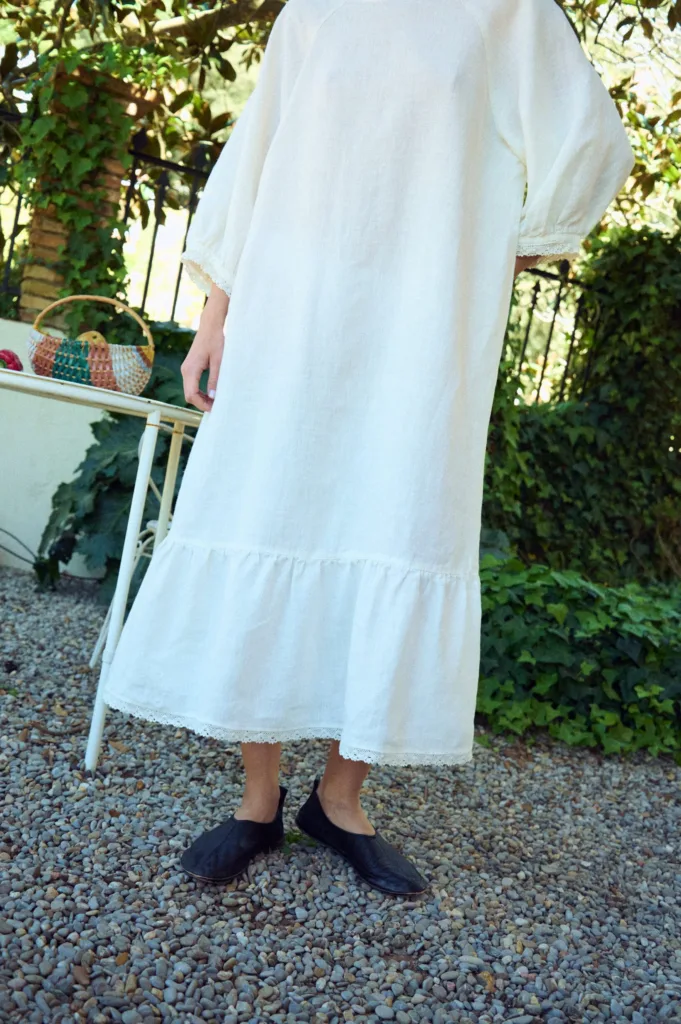
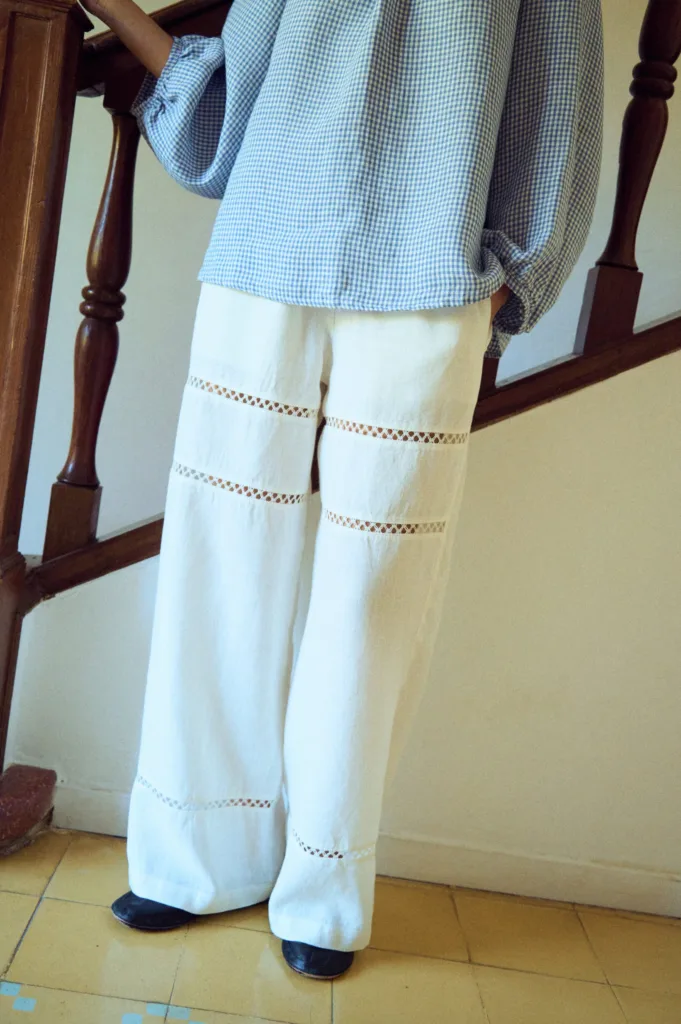
This collection was created with warm weather in mind. The garments are designed to feel light, open, and easy to wear, especially in heat when clothing needs to move with the body rather than restrict it.
Wider silhouettes play an important role here. They allow more space and create a sense of air around the body, which becomes especially noticeable on hotter days. The combination of linen and lace adds texture without adding weight, keeping the garments visually interesting while remaining comfortable.
These pieces are not designed for layering or complex styling. The balance between fabric, shape, and detail is already built into the garment, allowing it to stand on its own without additional elements.
Linen lace pieces are designed to stand on their own. The combination of fabric, shape, and detail already creates a complete look, without the need for additional layers or complex styling.
The lace adds enough visual interest, while the linen keeps the garment grounded and easy to wear. This balance allows the piece to feel more refined without becoming too decorative or difficult to style.
Because of this, these garments often work best when kept simple. There is no need to build an outfit around them — the garment itself becomes the main element.
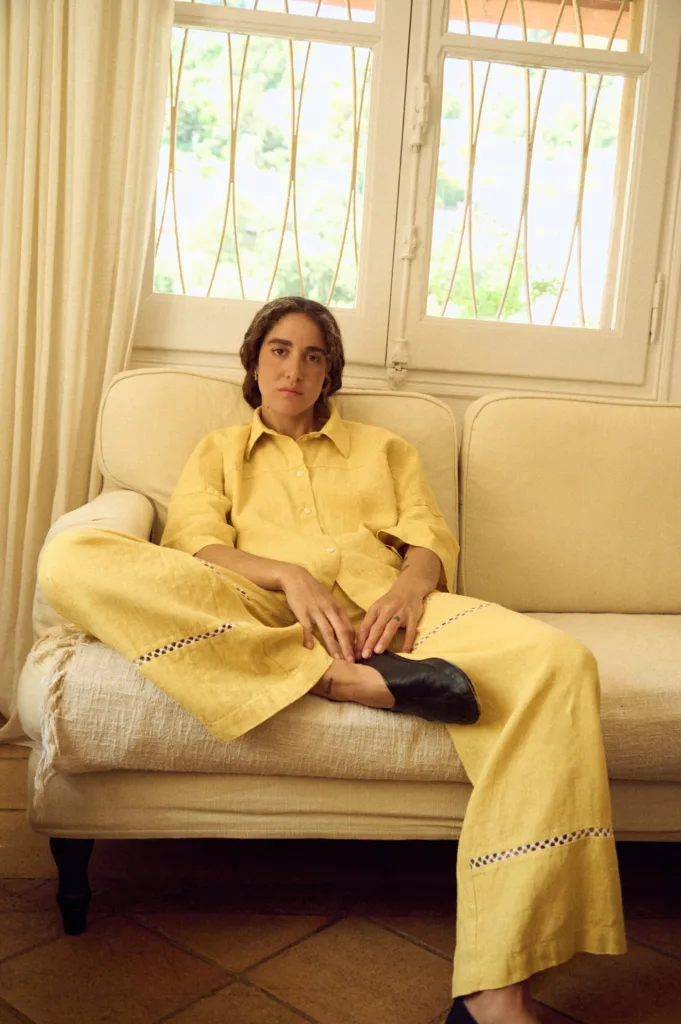
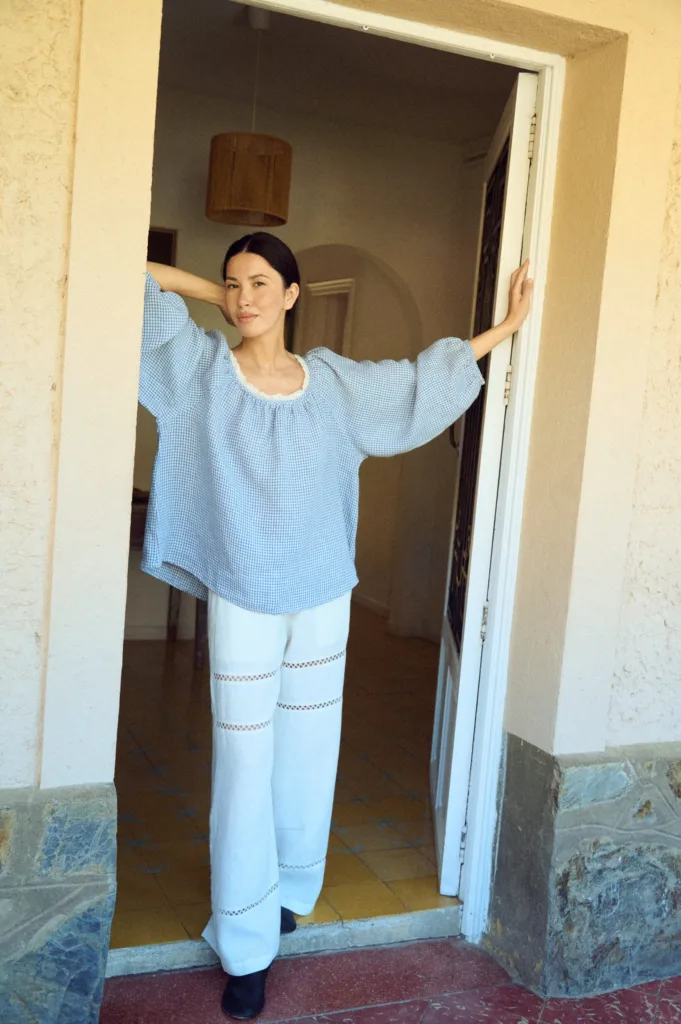
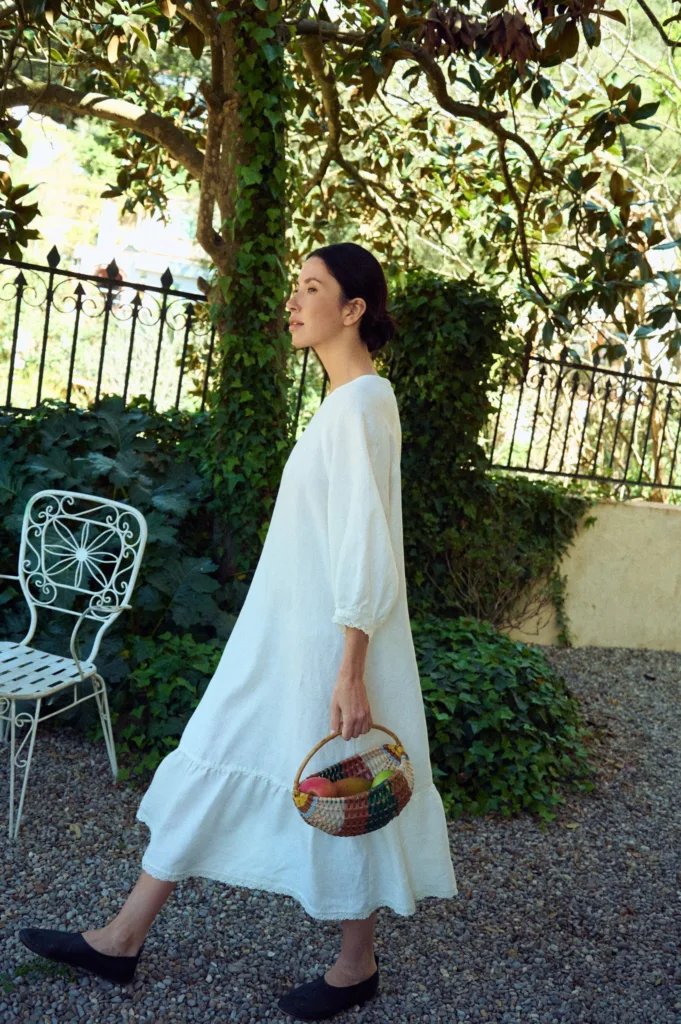
Linen lace pieces are available in limited quantities. The lace is produced in smaller batches, and once it is used, restocking may take time or may not be possible in the same form.
Because of this, customization options are more limited compared to other Linenfox garments. Most pieces are designed to keep their original proportions and construction, especially when lace is integrated into the garment.
Dresses and blouses are offered as designed, with an intentionally oversized fit that allows for ease and movement. For these pieces, custom changes are not available.
Pants allow for minimal adjustments, such as length changes or slight waistband modifications. These adjustments are carefully controlled to ensure the lace placement and overall balance of the garment remain intact.
Yes, these garments are designed specifically for warm conditions. The combination of linen and lace keeps the fabric light while allowing airflow and movement.
They can be washed in the same way as other linen garments. Gentle washing and proper drying help maintain the structure and appearance of both the fabric and the lace.
Customization options are limited. Dresses and blouses are offered as designed, while pants may allow small adjustments such as length changes.
The lace has been tested and pre-washed as part of the garment. It will maintain its shape and appearance when cared for properly.
This collection reflects a slower, more considered process — from sourcing linen lace close to our studio to testing how each detail behaves in real wear.
The result is a small group of garments where fabric, shape, and finish are carefully balanced. Linen lace becomes part of the structure, not just an addition, allowing each piece to feel complete on its own.
You can explore the collection and see how these details come together in different pieces.


