Your Cart
You are €150 away from free standard shipping.
Your cart is empty
You are €150 away from free standard shipping.
We cover all U.S. tariffs, so you won’t pay extra customs fees.
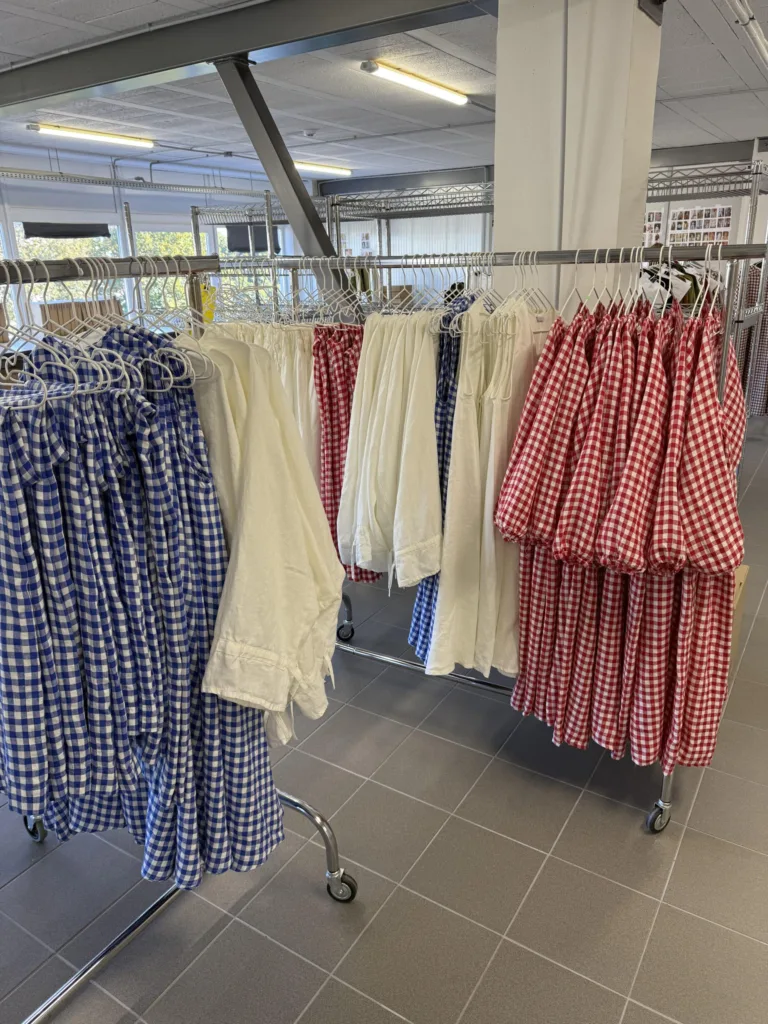
Linen is a natural fabric loved and known for its breathable feel, long-lasting durability, and effortless beauty — wrinkles and all. Because linen fabric is made from natural fibers that absorb moisture easily, it tends to wrinkle more than other materials. But here’s the good news: ironing linen is completely optional. The real answer depends on how polished or relaxed you want your outfit to look. Let’s explore when ironing linen makes sense and when you can skip it entirely, why this fabric wrinkles so easily, and how to care for it without damaging its durability.
Ironing linen is not required for everyday wear. Linen clothing naturally forms soft wrinkles that give the fabric its iconic lived-in, organic, and natural look. Many people embrace them as part of what makes linen so special — real, breathable, and beautifully imperfect.
You can iron linen if you prefer crisp seams or a sharper silhouette and lines. Especially for tailored linen trousers, button-down shirts, or formal dresses. Ironing becomes a style choice, not a rule. In other words: ironing linen is optional, not mandatory. A quick iron smooths the wrinkles caused by moisture and movement and creates a more polished finish. If you want the science behind wrinkles, see our article Why Does Linen Wrinkle?
Linen rarely requires ironing, but it can elevate your outfit during:
For casual linen outfits, natural wrinkles look stylish and completely intentional.
Linen comes from the flax plant, a strong natural fiber known for its durability, breathability, and moisture absorption. These qualities make linen the ideal summer fabric. Linen keeps the body cool, regulates heat, and allows constant airflow through its open weave. In addition, the fabric feels crisp at first but softens beautifully with every wash, giving you comfort and longevity.
Linen stands apart from other natural fabrics because flax fibers contain long strands of cellulose. These fibers create:
Linen’s natural fiber structure gives every garment a unique character — tiny slubs, subtle variations, and occasional plant traces show the authenticity of the fabric.
Linen wrinkles because flax fibers absorb moisture quickly and lack elasticity. When you sit, move, or fold the fabric, the fibers bend and stay in place rather than bouncing back. Heat, humidity, and body warmth increase wrinkling. Instead of fighting this, many linen lovers embrace it — wrinkles show that linen is a genuine natural fabric, not a synthetic blend.
Linen’s breathable structure makes it ideal for warm or humid climates, making linen clothing a staple for summer and any warm-weather wardrobe. The fabric:
Ironing linen offers both advantages and limitations, depending on the look you prefer.
Advantages of Ironing Linen
If you decide to iron linen, do it safely and intentionally. Here’s the best technique:
1. Start with damp linen.
Slight moisture softens the fibers and removes wrinkles easily.
2. Use medium–high heat.
Natural linen fabric responds well to steam and heat.
3. Turn garments inside out.
This prevents shine on darker linen colors.
4. Press, don’t glide.
Lift and press the iron for cleaner results.
5. Let linen cool on a hanger.
This helps the fabric keep its shape.
Prefer less fuss? Use a garment steamer instead of an iron. Steaming preserves linen’s breathable texture and soft natural wrinkles with minimal effort.


